
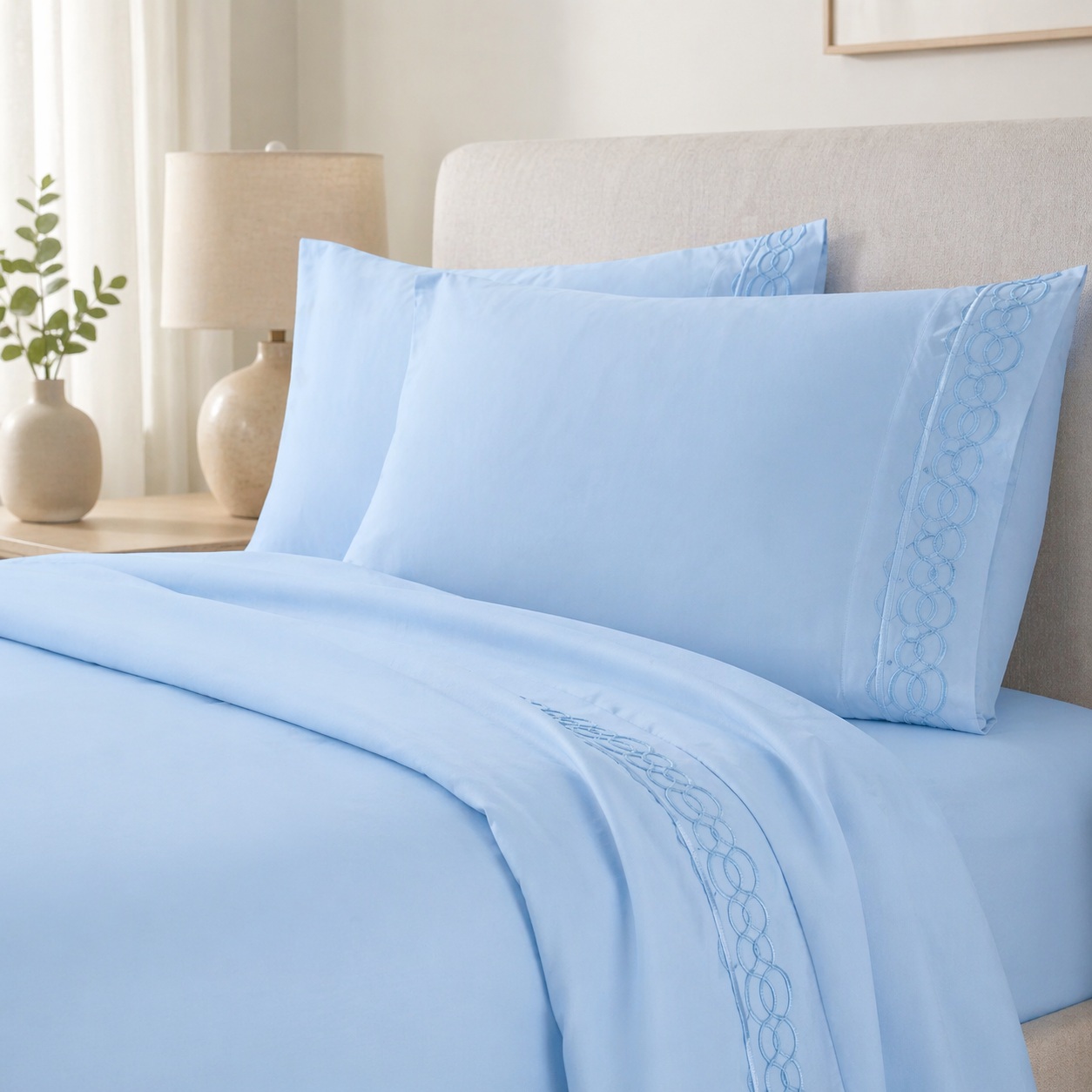
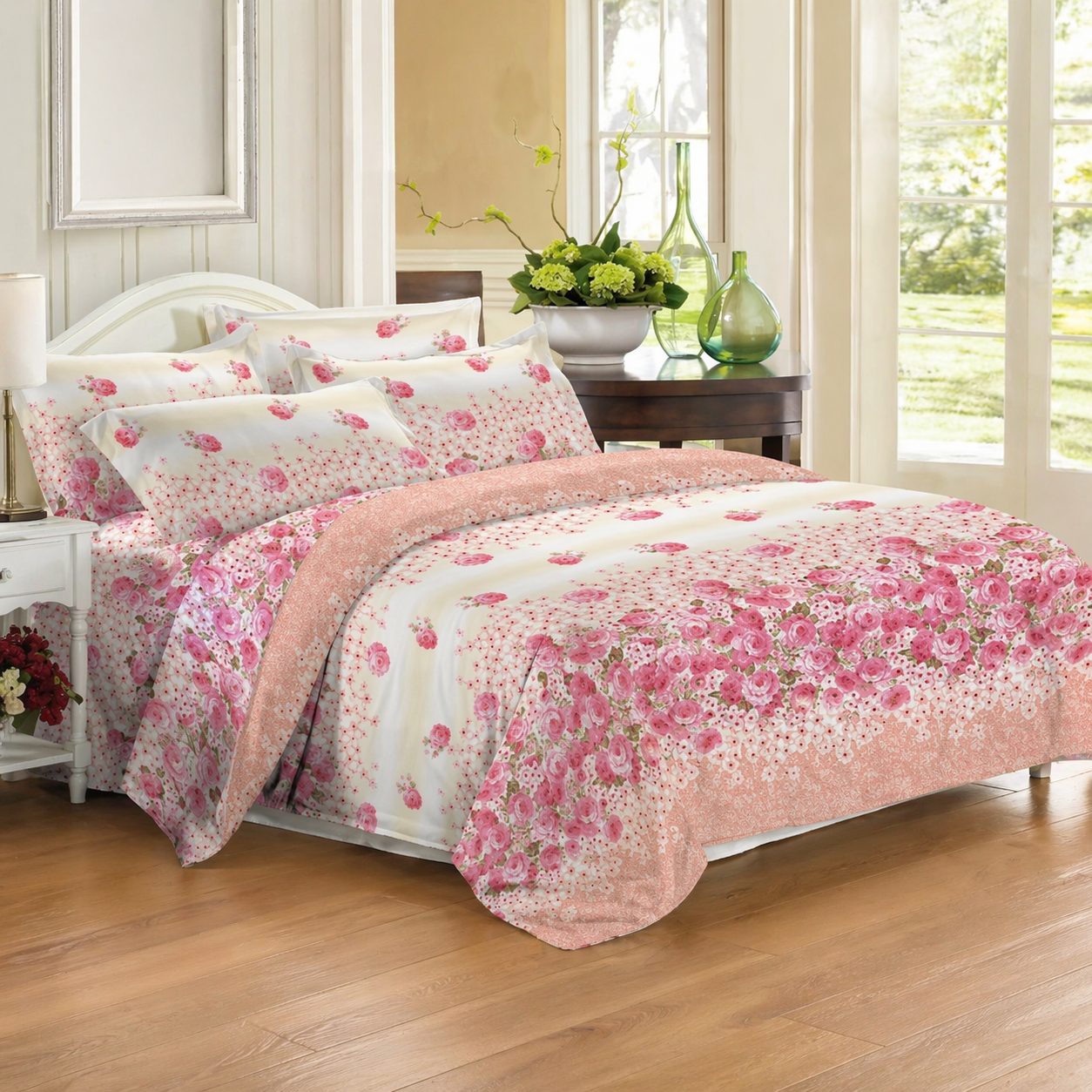
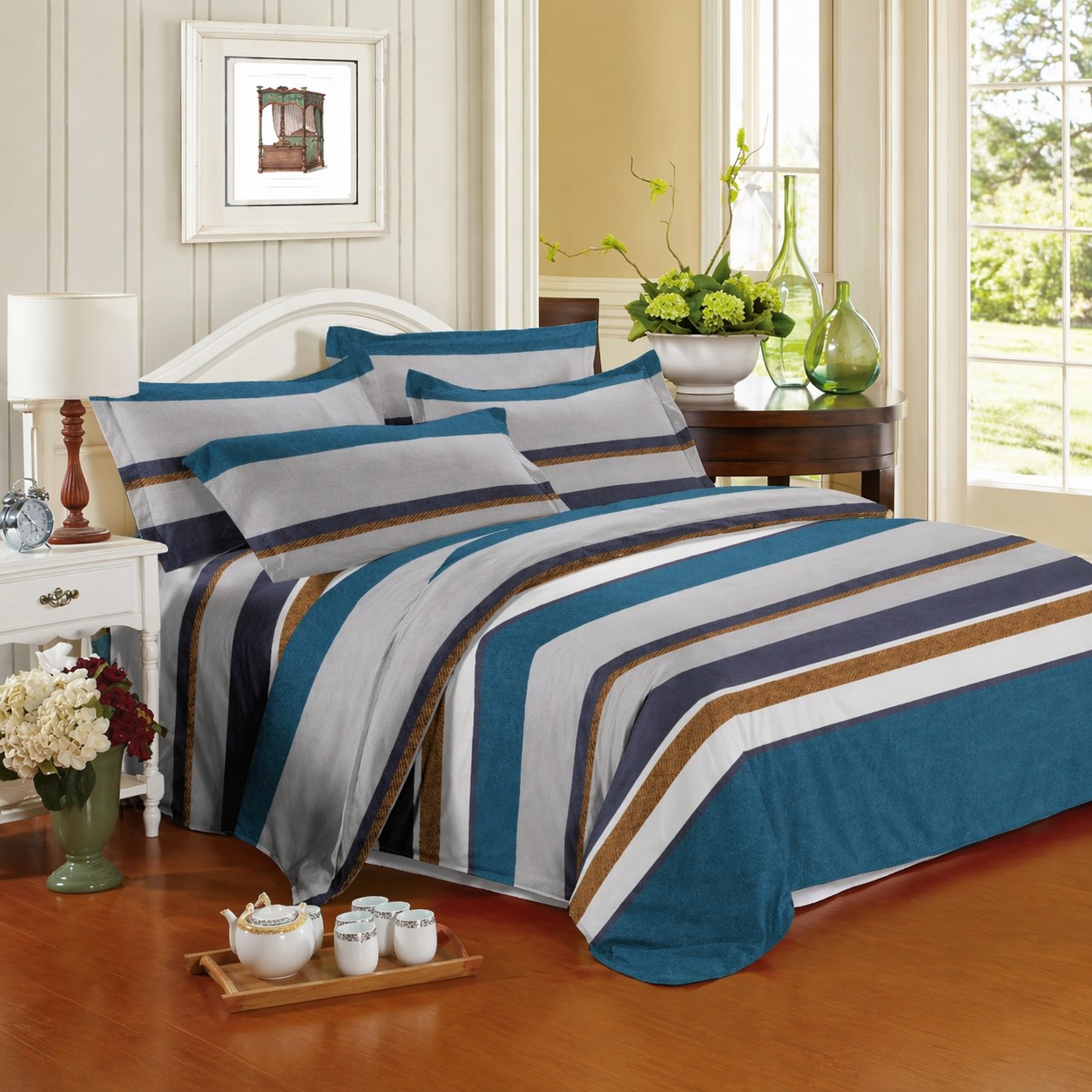
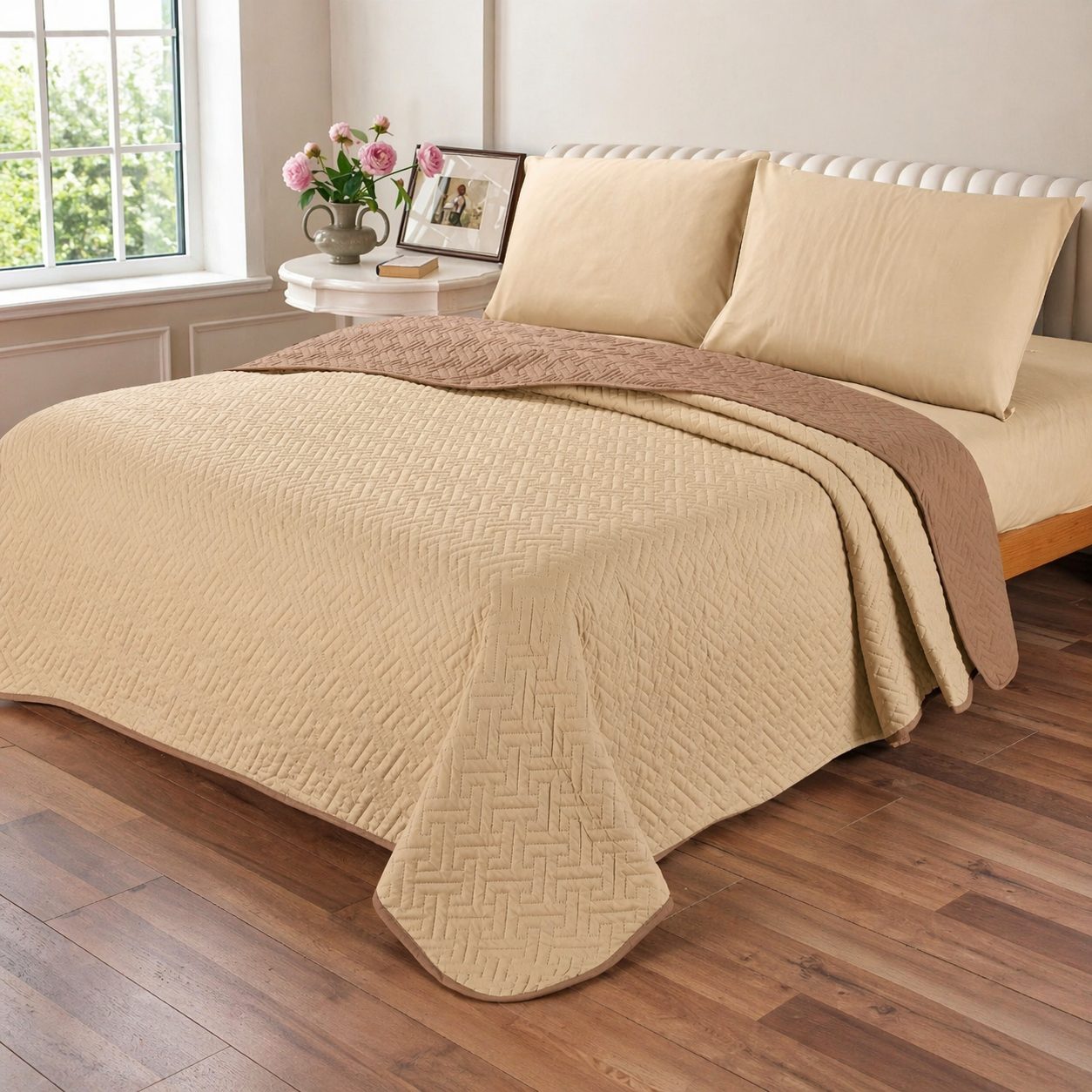
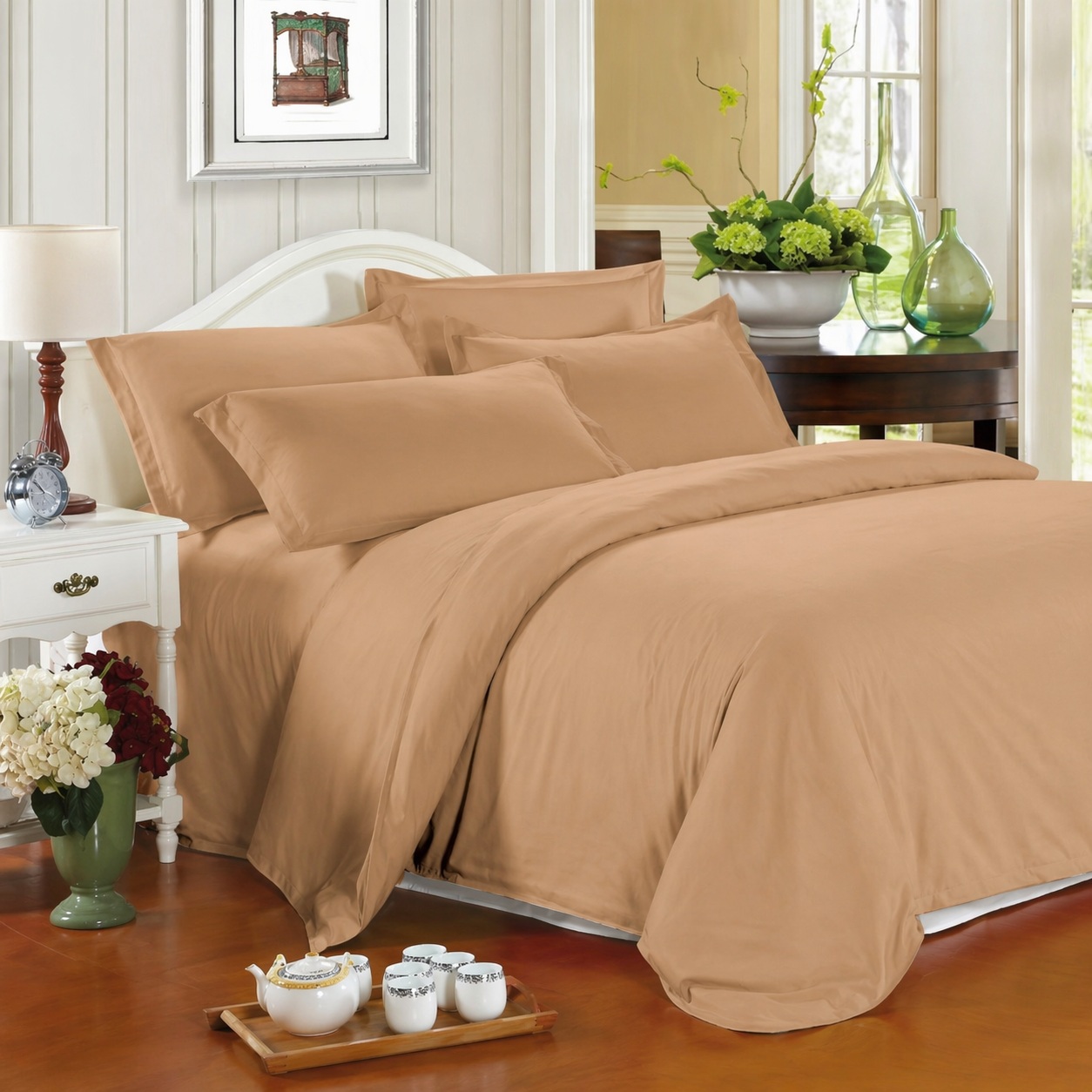
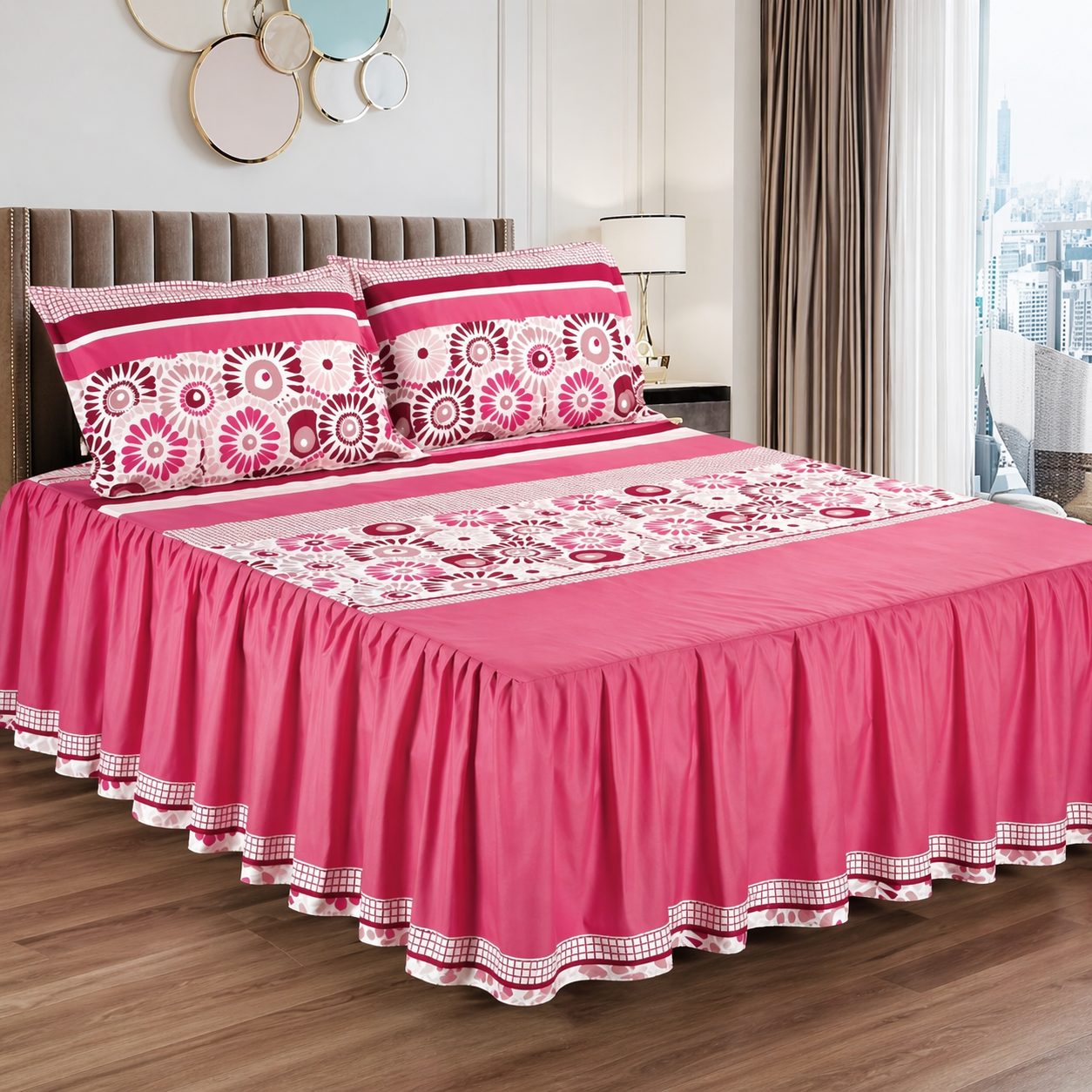
Bed skirts—also known as dust ruffles or valances—serve three primary functions in commercial environments: concealment of bed frames and under-bed storage, dust protection for mattress foundations, and aesthetic continuity within branded interior design schemes. In hospitality settings, these textiles bridge the visual gap between mattress platforms and flooring, creating a polished, finished appearance that reinforces brand positioning.
For hotels and healthcare facilities, bed skirts conceal utilitarian elements like box springs, platform bases, and storage compartments while maintaining accessible housekeeping workflows. Unlike residential applications, where decorative appeal may dominate, commercial bed skirts must balance visual refinement with functional durability. High-traffic properties require textiles that withstand frequent laundering, resist premature wear along hemlines, and maintain dimensional stability after repeated washing cycles.
The concealment function is particularly critical for properties that use adjustable bed bases or under-bed storage systems. A properly specified bed skirt ensures these mechanical components remain hidden from guest view while allowing housekeeping staff unobstructed access during room turnovers. In healthcare environments, bed skirts additionally contribute to infection control protocols by minimizing dust accumulation around patient bed frames.
Key Construction Types and Their Suitability
Tailored Bed Skirts feature split corners with inverted pleats or box pleats at each corner, offering a structured, contemporary appearance. This construction type excels in modern hospitality environments where clean lines and minimal fabric volume align with design aesthetics. The split-corner design facilitates easier bed assembly and allows for posts on four-poster bed frames. For commercial applications, tailored styles typically demonstrate superior durability at stress points due to reinforced corner seams.
Pleated Bed Skirts incorporate continuous pleating around the entire perimeter, creating fuller coverage with traditional elegance. Box pleats, knife pleats, or gathered styles provide varying degrees of fabric volume. While aesthetically rich, continuous pleating requires higher fabric yardage and may experience accelerated wear in high-turnover environments. Procurement managers should specify reinforced pleat stitching and bar-tack reinforcements at pleat intervals for commercial installations.
Wrap-Around Bed Skirts utilize elastic or Velcro attachment systems that wrap directly around the mattress or box spring, eliminating the need to lift the mattress during installation. This construction type significantly reduces housekeeping labor time—a critical factor in properties with tight room turnover schedules. However, elastic-based systems may experience tension loss after 50+ laundry cycles, requiring replacement frequency calculations in total cost models.
For high-volume hospitality procurement, tailored and wrap-around constructions generally offer superior lifecycle value due to simplified installation protocols and enhanced durability at stress points. Properties prioritizing traditional aesthetics may opt for pleated styles in low-turnover suites or VIP accommodations.
Critical Selection Criteria for B2B Procurement
Material Specifications and Performance Standards
Commercial bed skirt specifications begin with fabric composition analysis. Polyester-cotton blends (typically 60/40 or 50/50 ratios) dominate hospitality applications due to balanced performance characteristics: polyester contributes wrinkle resistance and color retention, while cotton provides breathability and a softer hand feel. Pure polyester constructions offer maximum durability and lowest shrinkage rates but may appear less luxurious in upscale properties.
Thread Count directly impacts fabric density and durability. For commercial bed skirts, specify minimum 200-thread-count fabrics for economy properties and 250-300 thread counts for mid-scale to luxury applications. Higher thread counts improve tear resistance along hemlines—the primary failure point in bed skirts—and enhance fabric weight, which contributes to better drape and floor contact.
Colorfastness Ratings must meet ISO 105 standards for commercial laundering. Specify Grade 4 minimum for light fastness (ISO 105-B02) and Grade 4 for wash fastness (ISO 105-C06) to ensure color consistency across 100+ industrial wash cycles. Properties utilizing chlorine-based bleaching protocols should verify Grade 4 chlorine fastness ratings. Request colorfastness certification documentation from suppliers, particularly for custom-dyed orders.
Shrinkage Tolerance specifications should not exceed 3% in both length and width dimensions after initial laundering. Commercial-grade bed skirts require pre-shrinking treatments or sanforized finishing processes. For bulk orders, request pre-production samples subjected to your facility’s specific laundering protocols (water temperature, detergent chemistry, drying method) to validate dimensional stability before full production commitment.
Dimensional Accuracy and Bed Compatibility
Proper bed skirt specification requires precise drop length measurement—the vertical distance from the top of the box spring or platform to the floor. Standard commercial drop lengths include:
- 14-inch drop: Platform beds, low-profile foundations, contemporary hotel designs
- 15-inch drop: Standard box spring configurations in North American markets
- 18-inch drop: Traditional high-profile box springs, European bed frames
- 21-inch drop: Antique reproductions, specialty hospitality properties
Measurement protocols must account for flooring variations. Specify drop length to terminate 0.5-1 inch above finished flooring to prevent fabric abrasion during housekeeping activities while maintaining visual floor contact. Properties with thick carpeting may require custom drop lengths to achieve proper visual proportion.
Platform vs. Box Spring Configurations dictate construction specifications. Platform beds require bed skirts with elastic or wrap-around attachment systems, as traditional deck-style bed skirts (which insert between mattress and box spring) cannot be utilized. Box spring configurations accommodate deck-style constructions, which provide superior stability and eliminate visible attachment hardware.
For custom sizing parameters in bulk orders, provide suppliers with:
- Mattress dimensions (Twin, Full, Queen, King, California King)
- Foundation height measurements
- Finished floor to box spring top dimension
- Corner post dimensions (if applicable)
- Attachment method preference
Request pre-production samples for fit verification across your property’s bed configurations before authorizing full production runs, particularly for mixed bed type inventories.
Design Integration and Brand Consistency
Color Matching and Textile Coordination
Achieving color consistency across bulk bed skirt orders requires systematic color specification protocols. Utilize Pantone Textile Color System (TPX/TCX) references rather than verbal color descriptions. Provide physical color standards (fabric swatches from existing bedding collections) to suppliers for spectrophotometric matching. For large multi-property orders, specify Delta E tolerances (typically ΔE ≤ 1.0 for luxury properties, ΔE ≤ 2.0 for mid-scale) to ensure imperceptible color variation across production lots.
Coordination with duvet covers and shams demands consideration of fabric finish differences. Bed skirts typically utilize lighter-weight fabrics than duvet covers, which can create subtle color variation even with identical dye lots due to fabric structure differences affecting light reflection. Request strike-off samples showing bed skirts alongside coordinating bedding components under your property’s lighting conditions—both natural daylight and artificial lighting—before finalizing specifications.
Pattern scaling for commercial interiors requires different considerations than residential applications. Large-scale patterns may overwhelm smaller guest rooms, while micro-patterns may appear muddy from typical viewing distances. For properties with varied room sizes, consider solid colorways or subtle textures rather than bold patterns to ensure visual consistency across room categories.
Establish color quality control protocols, including:
- Requiring suppliers to submit lab dip approvals before bulk production
- Specifying acceptable color variation tolerances between production lots
- Implementing random sampling inspection protocols upon delivery
- Maintaining physical color standards archived under controlled lighting conditions
Style Alignment with Interior Design Themes
Modern minimalist aesthetics favor tailored bed skirts in neutral colorways (white, ivory, gray, taupe) with clean lines and minimal embellishment. Specify 14-inch drop lengths for low-profile contemporary bed frames, and consider wrap-around constructions that eliminate visible deck fabric. Fabric choices should emphasize smooth textures and matte finishes rather than sheens.
Traditional hospitality aesthetics accommodate pleated constructions, richer color palettes, and decorative trim details. Box-pleated or gathered styles in deeper drop lengths (18-21 inches) suit properties with classic or transitional design schemes. Consider coordinating with decorative pillows and window treatments through shared trim details or complementary patterns.
Compliance with brand style guides requires documentation of all specification parameters. Develop comprehensive bed skirt specification sheets, including:
- Approved colorways with Pantone references
- Construction type and pleat specifications
- Fabric composition and thread count minimums
- Drop length standards by room category
- Approved supplier list with quality benchmarks
For multi-property brands, centralized specification management ensures consistency across franchised and corporate locations while allowing regional customization within defined parameters.
Compliance, Maintenance, and Total Cost of Ownership
Regulatory Standards for Commercial Textiles
Commercial bed skirts must comply with flammability regulations governing hospitality textiles. In the United States, NFPA 701 (Standard Methods of Fire Tests for Flame Propagation of Textiles and Films) establishes testing protocols for decorative fabrics in public occupancies. While bed skirts typically fall outside the most stringent requirements applied to draperies, properties should verify local fire marshal requirements, particularly for healthcare facilities and high-rise hotels.
BS 5867 Part 2 (UK/European standard) specifies flame-retardant performance for curtains and drapes, with some jurisdictions extending requirements to bed furnishings. For international hospitality chains, specify inherently flame-retardant polyester fibers rather than topical treatments, which may degrade with repeated laundering.
OEKO-TEX Standard 100 certification verifies textiles are free from harmful substances—a growing requirement for healthcare facilities and properties marketing environmental responsibility. Class II certification (products with direct skin contact) applies to bed skirts, ensuring compliance with restrictions on formaldehyde, extractable heavy metals, pesticides, and chlorinated phenols.
Hypoallergenic requirements for healthcare and allergy-friendly hotel programs should specify:
- Tightly woven fabrics (minimum 250 thread count) to minimize dust mite penetration
- Antimicrobial finishing treatments with documented efficacy testing
- Absence of known allergens in dyes and finishing chemicals
- Compatibility with high-temperature laundering protocols (160°F minimum)
Request certification documentation from suppliers and verify testing laboratory accreditation before specifying products for sensitive-use applications.
Laundering Protocols and Lifecycle Analysis
Commercial bed skirts must withstand industrial laundering cycles significantly more aggressive than residential washing. Specify fabrics rated for a minimum 50 commercial wash cycles without significant degradation in appearance, dimensional stability, or structural integrity. Request Martindale abrasion testing results (minimum 15,000 cycles for hemline fabric) to predict wear resistance.
Shrinkage mitigation begins with fabric pre-treatment but continues through proper laundering protocols:
- Wash in warm water (120-140°F) rather than hot cycles when possible
- Utilize low-agitation wash programs for decorative textiles
- Avoid over-drying; remove bed skirts while slightly damp
- Implement tunnel finishing or steam pressing to restore dimensions
Replacement frequency calculations inform the total cost of ownership analysis. A properly specified commercial bed skirt should achieve 18-24 months of service life in high-turnover properties (70%+ occupancy) and 36+ months in lower-volume applications. Calculate replacement costs, including:
- Initial unit cost × quantity
- Laundering cost per cycle × expected cycles
- Labor cost for installation/removal
- Inventory carrying costs for replacement stock
For a 200-room hotel replacing bed skirts annually at $25/unit with $2 laundering cost per cycle (50 cycles/year), total annual bed skirt program cost equals: (200 × $25) + (200 × 50 × $2) = $25,000—a significant line item justifying rigorous specification and supplier selection processes.
| Fabric Type | Thread Count | Drop Length Options | Price/Unit (MOQ 500+) | Wash Cycle Rating | Lead Time |
|---|---|---|---|---|---|
| 60/40 Poly-Cotton | 200 TC | 14″, 15″, 18″ | $18-22 | 50+ cycles | 45-60 days |
| 50/50 Poly-Cotton | 250 TC | 14″, 15″, 18″, 21″ | $24-28 | 75+ cycles | 60-75 days |
| 100% Polyester | 200 TC | 14″, 15″, 18″ | $16-20 | 100+ cycles | 45-60 days |
| Premium Cotton Blend | 300 TC | 15″, 18″, 21″ | $32-38 | 60+ cycles | 75-90 days |
| Flame-Retardant Polyester | 220 TC | 14″, 15″, 18″ | $28-34 | 80+ cycles | 60-75 days |
Prices reflect 2024 FOB pricing for bulk hospitality orders. Lead times include production and international shipping.
FAQ Module
Q1: What is the standard drop length for hotel-grade bed skirts?
The most common drop length for hotel applications is 15 inches, which accommodates standard box spring configurations prevalent in North American hospitality. However, contemporary properties utilizing platform beds increasingly specify 14-inch drops, while traditional or European-style properties may require 18-21 inch drops. Always measure from the top of your box spring or platform to the floor, subtracting 0.5-1 inch to prevent floor abrasion. For mixed bed configurations across a property, consider specifying multiple drop lengths by room category rather than attempting a one-size-fits-all approach.
Q2: How do I ensure color consistency across bulk orders?
Implement a three-tier color control system: (1) Specify colors using Pantone TPX/TCX references and provide physical fabric standards to suppliers; (2) Require lab dip approvals and strike-off samples before authorizing production; (3) Establish Delta E tolerance specifications (ΔE ≤ 1.0 for luxury, ΔE ≤ 2.0 for mid-scale properties) and conduct spectrophotometric testing on random samples from each production lot. For multi-phase orders, request suppliers to retain dye lot samples for color matching future orders. Archive approved samples under controlled lighting conditions and require suppliers to match archived standards rather than previous production runs, which may have drifted from original specifications.
Q3: Are there flame-retardant options compliant with US hospitality codes?
Yes, inherently flame-retardant polyester bed skirts meet NFPA 701 requirements without topical treatments that degrade with laundering. These fabrics incorporate flame-retardant properties at the polymer level, maintaining compliance throughout the product lifecycle. For healthcare facilities or jurisdictions with stringent requirements, specify fabrics with documented testing to NFPA 701 Method 1 (small-scale test) and request certification documentation. Note that while bed skirts typically face less stringent requirements than draperies, local fire marshals may impose additional standards for high-rise hotels or specific occupancy classifications. Consult with your fire safety consultant and verify requirements with local authorities having jurisdiction before finalizing specifications.
Strategic bed skirt selection for commercial applications requires balancing aesthetic requirements with functional durability, regulatory compliance, and lifecycle cost optimization. Prioritize material specifications that deliver minimum 50-cycle wash durability, dimensional precision aligned with your property’s bed configurations, and colorfastness ratings meeting ISO 105 Grade 4 standards. Implement systematic color management protocols using Pantone references and physical standards to ensure brand consistency across bulk orders and multiple properties.
Construction type selection should reflect operational priorities: tailored styles for modern aesthetics and enhanced durability, pleated designs for traditional elegance in low-turnover applications, and wrap-around systems for labor efficiency in high-volume properties. Verify regulatory compliance with applicable flammability standards and consider OEKO-TEX certification for healthcare and environmentally-focused properties.
Total cost of ownership analysis must incorporate not only unit acquisition costs but also laundering expenses, replacement frequency, and labor requirements across the expected service life. A comprehensive specification framework—documented in detailed style guides with approved supplier partnerships—ensures procurement consistency, quality assurance, and optimized value delivery across your commercial bedding program.