
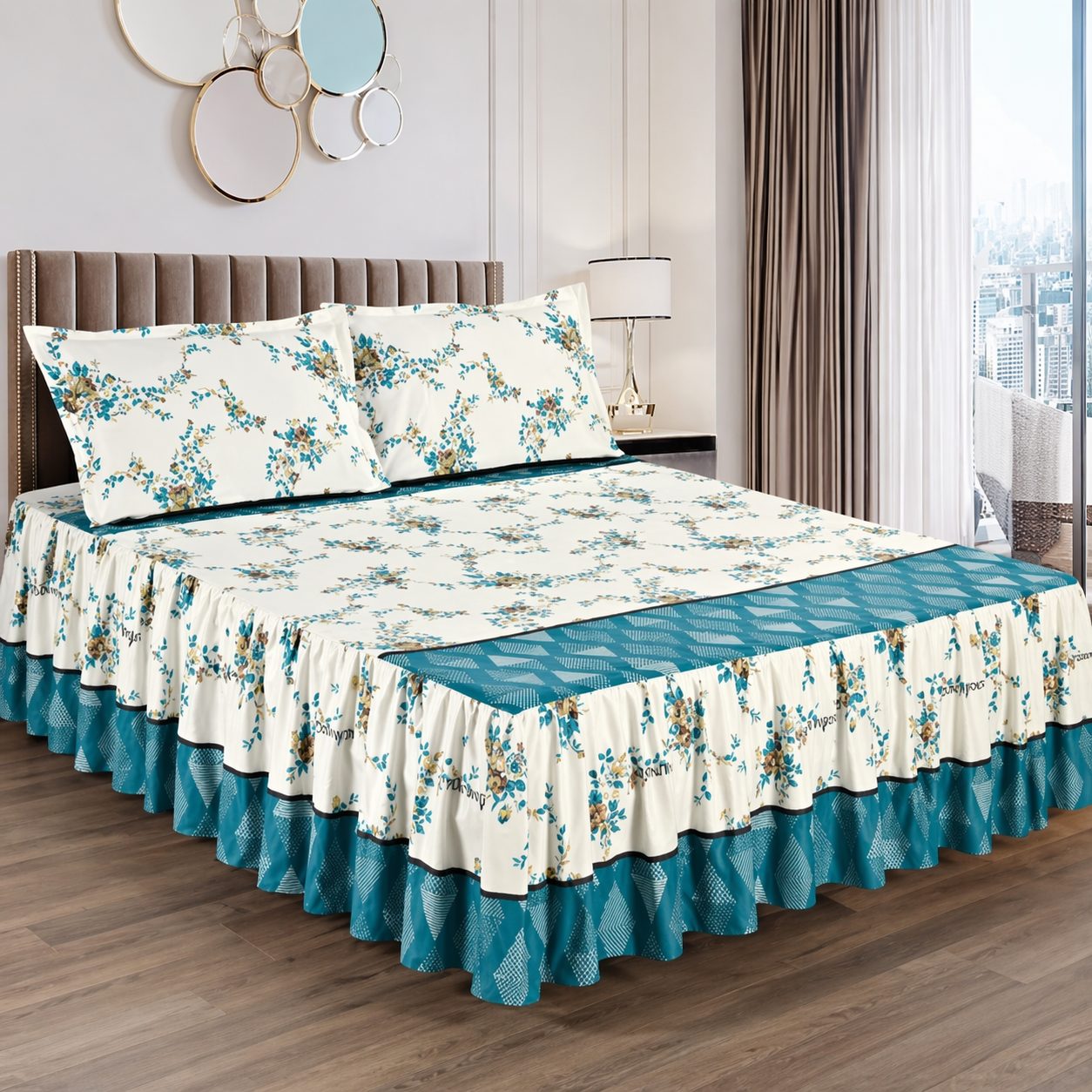
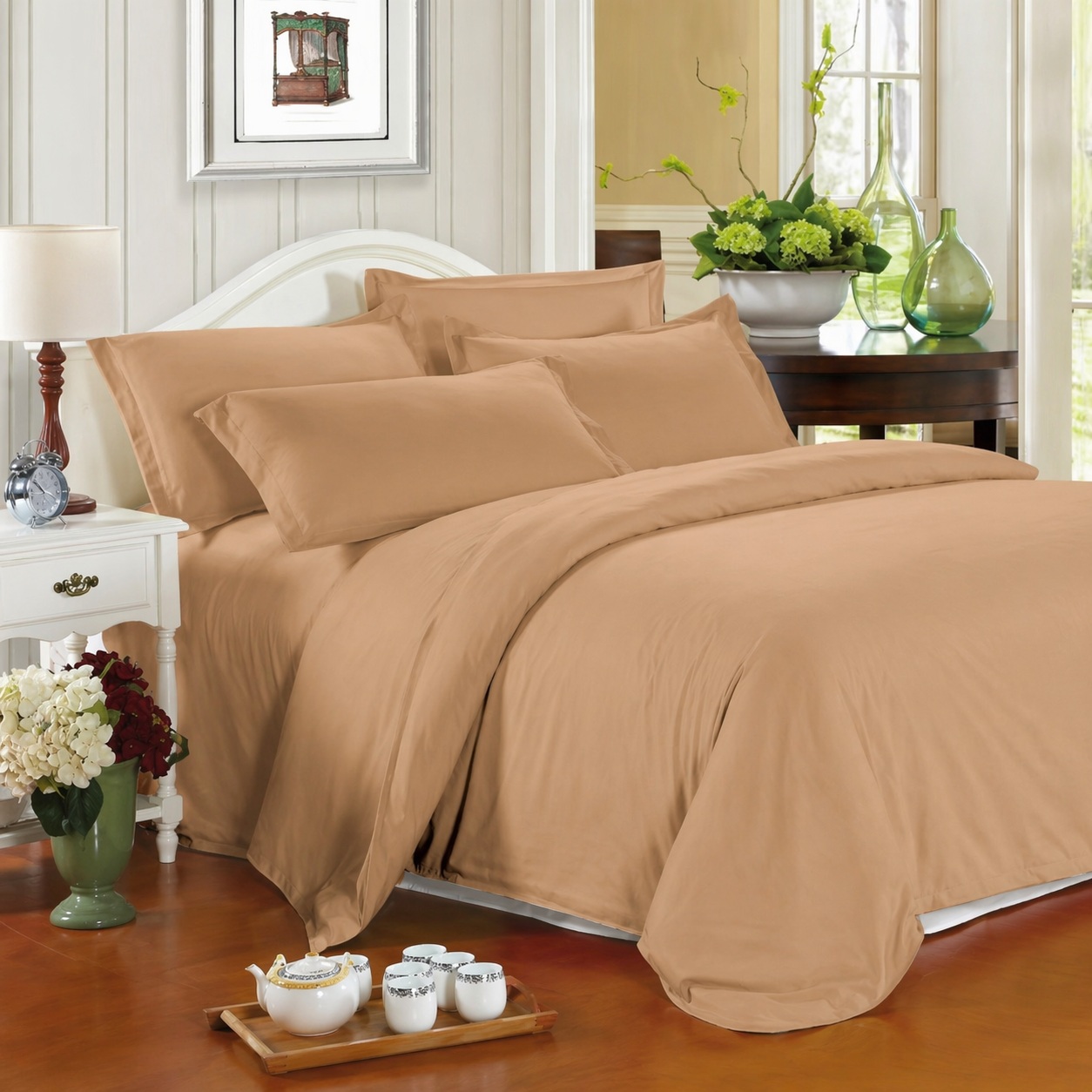
Selecting the right summer quilt set requires balancing fabric breathability, weight specifications, and climate adaptability. This comprehensive guide addresses key decision factors for B2B buyers sourcing seasonal bedding collections, covering material science, thermal performance metrics, and procurement considerations for hospitality and retail applications. With rising consumer demand for temperature-regulating sleep solutions, understanding the technical specifications behind summer-weight quilts enables informed inventory decisions that maximize customer satisfaction and minimize return rates. From GSM ratings to certification standards, this article provides actionable insights for building competitive seasonal bedding portfolios.
Summer Quilt Construction and Material Science
Fabric Types and Breathability Performance
The shell fabric determines 60-70% of a summer quilt’s cooling performance. Natural fibers dominate premium segments due to superior moisture vapor transmission rates. Cotton percale (200-400 thread count) offers 8-12% higher breathability than sateen weaves, making it ideal for hot, humid environments. The plain weave structure creates micro-gaps that facilitate air circulation while maintaining durability through 300+ commercial wash cycles.
Linen exhibits exceptional thermal conductivity (0.08 W/mK compared to cotton’s 0.06 W/mK), dissipating body heat 30% faster. However, its 15-20% higher raw material cost and tendency toward wrinkling require clear positioning as a luxury option. Linen’s natural antimicrobial properties (reducing bacterial growth by 65% in laboratory tests) provide added value for health-conscious consumer segments.
Bamboo-derived viscose has captured 18% of the eco-conscious market segment. While marketing emphasizes sustainability, B2B buyers should verify production methods—closed-loop lyocell processes retain 99% of solvents, whereas conventional viscose manufacturing carries environmental concerns. Bamboo fabrics demonstrate 40% greater moisture absorption than cotton but may pill after 150 wash cycles without proper yarn construction.
Microfiber polyester (85-110 GSM) dominates economy tiers due to 40-50% lower production costs and superior colorfastness (Grade 4-5 per ISO 105-C06). Modern moisture-wicking treatments using hydrophilic polymers achieve 85% of natural fiber performance at half the price point. For budget hospitality applications with high turnover, microfiber’s wrinkle resistance and quick-dry properties (30% faster than cotton) reduce operational costs.
GSM benchmarks for summer quilts typically range from 150-250 GSM for shells and 80-150 GSM for fill. Specifications below 200 GSM total weight suit tropical climates (average nighttime temperatures above 24°C), while 250-300 GSM provides transitional versatility for regions with 18-24°C summer evenings.
Fill Materials and Tog Rating Standards
Tog ratings quantify thermal resistance—summer quilts should measure 1.0-4.5 tog for optimal comfort. A 1.5-tog quilt suits temperatures of 24-27°C, while 3.0-tog options accommodate air-conditioned rooms (20-22°C). Buyers should request laboratory test certificates per BS EN 12127 standards, as self-reported ratings vary by 0.5-1.0 tog between manufacturers.
Down alternative fills using hollow-core polyester fibers (siliconized for loft retention) provide 70% of natural down’s insulation at 60% of the cost. Cluster construction with 6-8 denier fibers prevents fill migration better than continuous filament options. Quality alternatives maintain 85% loft recovery after compression, critical for vacuum-packed shipping logistics.
Natural down (550-650 fill power for summer weights) offers unmatched breathability but requires disclosure of sourcing standards. RDS (Responsible Down Standard) certification adds 8-12% to procurement costs but mitigates reputational risks. Down’s 15-20 year lifespan (versus 5-7 years for synthetics) justifies premium positioning in luxury retail channels.
Hypoallergenic certifications address the 30% of consumers reporting sensitivities. OEKO-TEX Standard 100 (Class I for direct skin contact) tests for 300+ harmful substances, with annual renewal requirements ensuring ongoing compliance. CertiPUR-US certification applies specifically to foam components in quilted designs, verifying low VOC emissions (< 0.5 ppm) and absence of prohibited flame retardants.
Silk fill (100-200 GSM mulberry silk) occupies ultra-premium niches, offering natural temperature regulation through hygroscopic properties (11% moisture regain). It’s a 25-30% price premium over down limits applications to boutique hospitality and specialty retail.
Technical Specifications for Commercial Procurement
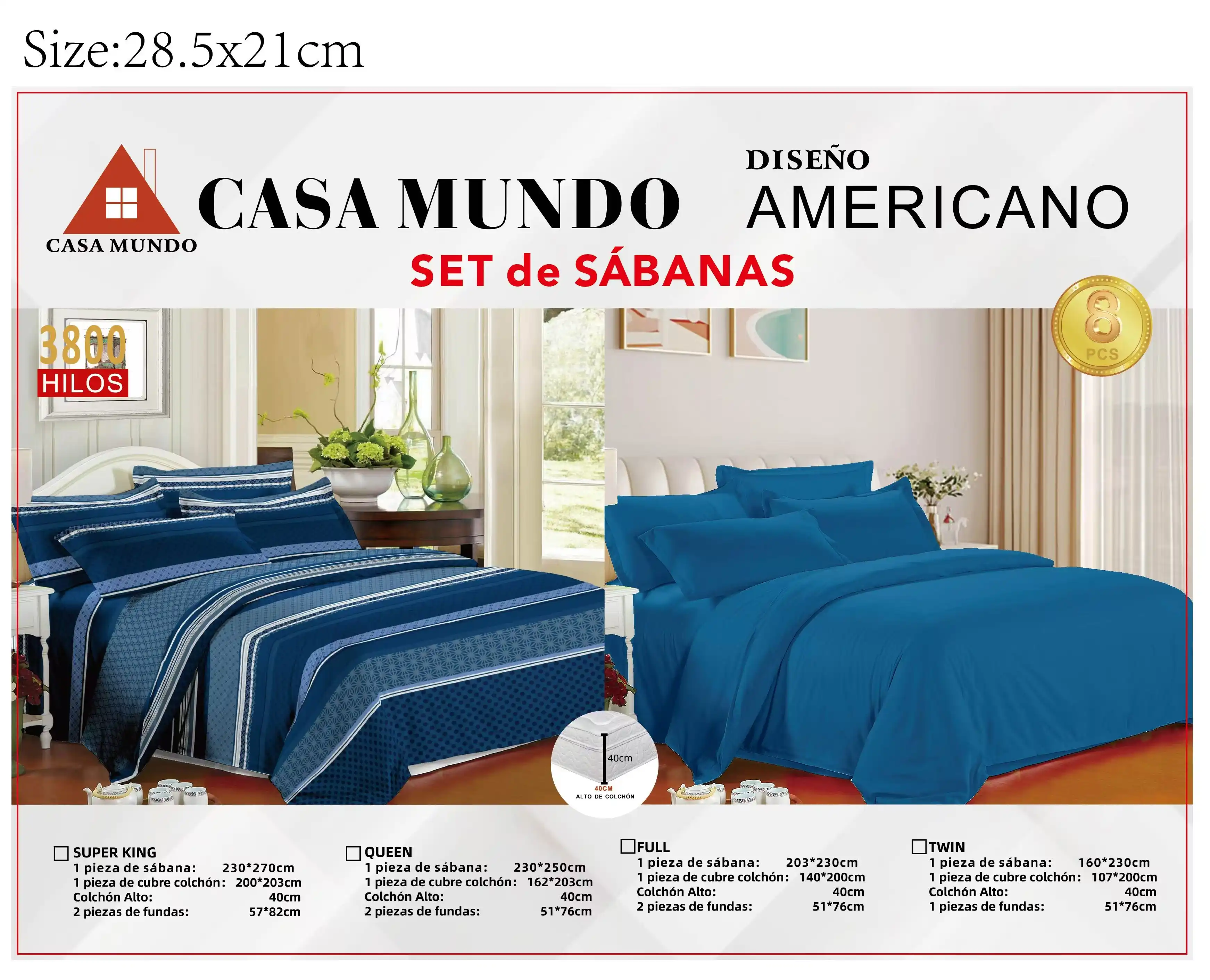
Size Standards and Set Configurations
Standard Dimensions and Metric Conversions:
| Size | Quilt Dimensions (inches) | Quilt Dimensions (cm) | Typical Set Components |
|---|---|---|---|
| Twin | 68 × 86 | 173 × 218 | 1 quilt + 1 sham |
| Full/Double | 86 × 86 | 218 × 218 | 1 quilt + 2 shams |
| Queen | 90 × 90 | 229 × 229 | 1 quilt + 2 shams |
| King | 104 × 90 | 264 × 229 | 1 quilt + 2-3 shams |
| California King | 104 × 96 | 264 × 244 | 1 quilt + 2-3 shams |
Drop length specifications impact aesthetic appeal—standard 15-18 inch drops suit platform beds, while traditional frames require 20-22 inches. European markets increasingly demand 220 × 240 cm sizing, necessitating dual inventory strategies for international distributors.
Piece count variations affect perceived value and price positioning. Three-piece sets (quilt + 2 shams) represent 65% of retail sales, while five-piece configurations, adding decorative pillows, command 35-40% price premiums. Hospitality buyers typically procure quilts separately to standardize sham inventories across bedding programs.
Packaging specifications directly impact logistics costs. Vacuum compression reduces shipping volume by 60-70% but requires a minimum 250-thread-count fabric to prevent permanent creasing. Standard folded packaging (12 × 14 × 6 inches for Queen sets) optimizes shelf display but increases container costs by 40%. Weight ranges: Twin (1.2-1.8 kg), Queen (1.8-2.5 kg), King (2.5-3.2 kg).
Durability and Maintenance Requirements
Thread count (200-600 TPI for summer quilts) correlates imperfectly with durability—weave tightness and fiber staple length matter more. Single-ply 300-count Egyptian cotton outlasts double-ply 600-count standard cotton by 30% in abrasion testing (Martindale method, ISO 12947). Buyers should request yarn specifications: long-staple fibers (> 1.5 inches) reduce pilling by 45%.
Commercial laundering compatibility requires testing per ISO 6330 standards. Summer quilts must withstand 60°C wash temperatures and 150°C tumble drying without exceeding 3% shrinkage. Reactive dyes (versus direct dyes) maintain color integrity through 100+ industrial wash cycles, critical for hospitality applications with 3-5 day turnover rates.
Shrinkage control begins with pre-shrinking treatments (sanforization or compressive shrinkage), reducing dimensional change to < 2% per AATCC Test Method 135. Untreated cotton may shrink 5-8% in length, creating fit issues and customer complaints. Specification sheets should guarantee post-wash dimensions.
Colorfastness testing per AATCC 61 (laundering) and AATCC 16 (light) ensures Grade 4 minimum performance. Summer quilts in light colors (whites, pastels) require optical brighteners with UV stability to prevent yellowing. Retail returns due to color bleeding or fading cost 12-15% of margin—upfront testing eliminates this risk.
Stitching density (6-8 stitches per inch) prevents fill shifting while allowing flexibility. Box stitching or channel quilting patterns distribute stress better than simple linear stitching, extending usable life by 25%. Reinforced edges with double-needle stitching reduce fraying in commercial environments.
Climate-Specific Selection Criteria
Regional Temperature Mapping
Humid subtropical zones (Southeast Asia, Gulf Coast, Mediterranean summers) require maximum moisture management. Quilts with hydrophilic treatments absorbing 8-10% of their weight in moisture prevent clammy sensations. Linen or bamboo shells combined with low-tog fills (1.0-2.5) suit nighttime temperatures of 24-28°C with 70-85% humidity. Anti-microbial treatments (silver ion or zinc pyrithione) reduce odor development in high-humidity storage.
Arid climates (Southwest US, Middle East, Australian interior) demand lightweight insulation balancing hot days and cooler nights (15-20°C temperature swings). Cotton percale shells (180-220 GSM) with 2.5-3.5 tog fills provide versatility. Static control treatments prevent dust adhesion in low-humidity environments (< 30% RH). UV-resistant dyes maintain color in high-altitude, high-UV regions where standard dyes fade 40% faster.
Coastal regions face salt air corrosion and higher humidity variability. Solution-dyed fabrics (pigment integrated during fiber production) offer superior colorfastness versus piece-dyed alternatives—critical where salt accelerates dye degradation. Synthetic fills outperform down in coastal humidity (> 65% RH), as down loses 30% loft when moisture content exceeds 12%. Rust-proof zippers and hardware (YKK Vislon or coil zippers) prevent staining on white bedding.
Continental climates with distinct seasons require modular approaches. Summer quilts (1.5-3.0 tog) should layer compatibility with winter inserts, appealing to consumers seeking year-round value. Duvet-style button or tie systems enable tog customization (4.5-12.0 tog combined), reducing inventory complexity for retailers managing seasonal transitions.
Commercial Application and Value Optimization
Hospitality vs. Retail Inventory Strategy
Hospitality procurement prioritizes durability and maintenance efficiency over aesthetic variety. Hotels replacing bedding every 18-24 months require quilts surviving 300-400 wash cycles. White or neutral colorways (85% of hotel selections) simplify inventory management and convey cleanliness. Standardizing on 2-3 SKUs across property portfolios reduces procurement costs by 15-20% through volume discounts.
Guest turnover rates dictate replacement cycles—limited-service properties (2-3 day average stays) need more durable options than extended-stay hotels. Budget segments allocate $25-45 per quilt, mid-scale $45-75, upscale $75-150. Lifecycle cost analysis should include laundering expenses: microfiber’s quick-dry properties save $2-3 per cycle in energy costs.
Retail inventory strategies require balancing trend responsiveness with seasonal timing. Summer quilt orders placed in Q4 (October-December) capture early-bird wholesale discounts of 10-15%. Allocating 40% of inventory to classic neutrals, 35% to seasonal colors, and 25% to trend-driven prints minimizes markdown risk. Retail prices typically apply 2.2-2.8x wholesale multipliers.
Private label opportunities enable 30-40% margin improvement versus branded goods. MOQs of 500-1,000 units per SKU suit mid-sized retailers, while 5,000+ unit orders unlock custom fabric development. Lead times extend 60-90 days for private label versus 15-30 days for stock programs—buyers must align with 16-20 week pre-season planning cycles.
Pricing tier positioning:
- Economy: $30-60 retail (microfiber, 180-220 GSM, basic packaging)
- Mid-range: $60-120 retail (cotton/bamboo blends, 220-280 GSM, gift-ready packaging)
- Premium: $120-250 retail (organic cotton/linen, 250-320 GSM, luxury packaging with certifications)
Sustainability and Compliance Standards
GOTS certification (Global Organic Textile Standard) verifies 95%+ organic fiber content and prohibits 900+ chemicals. Certification costs ($2,000-5,000 annually, plus 1-3% of certified product revenue) appeal to retailers targeting eco-conscious demographics willing to pay 15-25% premiums. GOTS-certified summer quilts command $85-180 retail versus $60-120 for conventional equivalents.
Carbon footprint considerations span raw material cultivation, manufacturing, and logistics. Organic cotton reduces agricultural emissions by 45% but requires 15-20% more land. Bamboo’s rapid growth (3-5 years versus cotton’s annual cycle) sequesters 35% more CO₂, but processing emissions vary widely—closed-loop lyocell adds 8-12% to costs while reducing chemical discharge by 95%.
Manufacturing location impacts total carbon footprint—Asian production (75% of global textile output) incurs 12,000-15,000 km shipping to US markets, adding 2.5-3.0 kg CO₂ per quilt set. Nearshoring to Central America reduces transport emissions 60% but increases labor costs 25-35%. Carbon offset programs ($0.50-1.50 per quilt) appeal to corporate ESG initiatives.
Circular economy compatibility requires design for disassembly—separable shells and fills enable material-specific recycling. Mono-material construction (100% polyester quilts) achieves 85% recyclability versus 30% for cotton-poly blends. Take-back programs (emerging in EU markets under Extended Producer Responsibility regulations) add $3-5 per unit in reverse logistics but build brand loyalty.
Chemical compliance beyond OEKO-TEX includes California Prop 65 (lead/phthalate limits), EU REACH (restricted substances), and CPSIA (children’s product safety). Non-compliance risks include port holds (delaying inventory 2-4 weeks), fines ($1,000-10,000 per violation), and reputational damage. Third-party testing ($300-800 per style) provides insurance against regulatory issues.
FAQ Module
What GSM weight is ideal for summer quilts in humid climates?
For humid subtropical regions with nighttime temperatures of 24-28°C and 70-85% relative humidity, specify 180-250 GSM total weight (shell + fill combined). Prioritize moisture-wicking fabrics like bamboo viscose or cotton percale that absorb 8-10% of their weight in perspiration. Lower GSM (180-220) suits tropical climates, while 230-250 GSM provides transitional versatility for air-conditioned environments. Request moisture vapor transmission rate (MVTR) data—summer quilts should exceed 3,000 g/m²/24hr per ASTM E96 testing.
How do I verify OEKO-TEX certification for bulk orders?
Request the certificate number and verify it through the OEKO-TEX database at www.oeko-tex.com/en/label-check. Legitimate certificates include product-specific details (fiber content, color range, manufacturing facility) and validity dates (12-month renewal cycle). Certificates apply only to tested components—if a quilt has certified fabric but uncertified fill, it cannot carry the OEKO-TEX label. For orders exceeding $50,000, consider independent laboratory confirmation testing ($500-1,200) to verify claimed certifications before final payment.
What’s the expected lifespan difference between cotton and bamboo quilt sets?
High-quality cotton quilts (300+ thread count, long-staple fibers) last 5-8 years with proper care in residential use, enduring 300-400 commercial wash cycles in hospitality settings. Bamboo viscose quilts typically last 4-6 years (250-350 wash cycles) due to the fiber’s lower tensile strength when wet, resulting in a 20-25% shorter lifespan. However, bamboo’s natural antimicrobial properties reduce odor retention, potentially extending perceived freshness. For maximum durability, specify bamboo-cotton blends (60/40 ratio) that balance bamboo’s cooling properties with cotton’s structural integrity, achieving 6-7 year lifespans while maintaining breathability advantages.
Optimal summer quilt set selection hinges on aligning material specifications with target climate zones and end-use requirements. B2B buyers should prioritize certified breathable fabrics with verified GSM ratings, request thermal performance data (tog ratings per BS EN 12127), and establish clear maintenance protocols to maximize inventory ROI across hospitality and retail channels. The 180-280 GSM range addresses 85% of summer climate needs, while strategic segmentation across economy, mid-range, and premium tiers captures diverse consumer price sensitivities. Sustainability certifications (GOTS, OEKO-TEX) command 15-25% premiums in growing eco-conscious segments, justifying the 1-3% certification costs. With proper specification management—including shrinkage guarantees, colorfastness testing, and commercial laundering compatibility—summer quilt programs achieve 12-18 month inventory turns while maintaining sub-5% return rates. The shift toward climate-specific marketing and modular layering systems positions forward-thinking buyers to capitalize on consumers’ increasing sophistication regarding sleep environment optimization.