
Introdução
Polyester brushed fabric has become a preferred material for manufacturers seeking a balance between softness, durability, and cost efficiency. Through a specialized brushing process, polyester fibers are raised to create a smooth, fleece-like surface that enhances warmth, comfort, and tactile performance while maintaining the inherent advantages of polyester, including quick drying, dimensional stability, and color retention.
From apparel and bedding to upholstery and technical textile applications, polyester brushed fabric offers versatile performance across multiple industries. Its customizable weight, construction, and surface finish allow manufacturers to develop products that meet different market requirements, from lightweight garments to heavy-duty home textiles.
For buyers evaluating polyester brushed fabric suppliers, understanding where this fabric delivers the greatest value is essential. Choosing the right polyester brushed fabric based on application, performance requirements, and production needs can help improve product quality, reduce manufacturing risks, and create more competitive end products.
How does polyester brushed fabric compare to other textiles?
Before diving into specific applications, it helps to see where polyester brushed fabric stands against the alternatives. For any textile buyer evaluating options, this comparison is the foundation of a sound sourcing strategy.
| Propriedade | Polyester Brushed | Regular Polyester | Algodão | Mistura de algodão e poliéster | Wool |
|---|---|---|---|---|---|
| Softness (hand feel) | Elevado | Low-Medium | Elevado | Medium-High | Muito elevado |
| Abrasion resistance | Excellent (40k+ Martindale) | Excelente | Medium (20k) | Good (30k) | Bom |
| Wrinkle recovery | Excelente | Excelente | Pobres | Medium | Bom |
| Moisture wicking | Bom | Bom | Poor (absorbs) | Medium | Bom |
| Drying speed | Fast | Fast | Slow | Medium | Medium |
| Shrinkage resistance | Excelente | Excelente | Pobres | Medium | Medium |
| Color fastness | Excelente | Excelente | Bom | Bom | Bom |
| Relative cost (per yard) | Moderado | Baixa | Moderate-High | Moderado | Elevado |
| Best applications | Apparel, bedding, upholstery | Outdoor gear, industrial | Casual wear, premium bedding | Shirts, uniforms | Suiting, heavy outerwear |
This comparison shows that tecido de poliéster escovado occupies a unique performance niche. It matches or exceeds cotton in softness while far surpassing it in durability and ease of care. It is not as expensive as wool but comes close in warmth and comfort. For the vast middle market of everyday textiles—and for buyers looking to balance quality with cost—it is often the smartest choice.
How Does the Brushing Process Improve Polyester Fabric Performance?
The brushing process is a key finishing technique that enhances the softness, warmth, and surface texture of polyester brushed fabric. During production, woven or knitted polyester fabric passes through rotating brushes that lift and separate surface fibers, creating a soft, fleece-like nap.
The raised fibers trap air within the fabric structure, improving insulation while providing a smoother hand feel. The brushing process can be applied to one or both sides of the fabric:
- Single-brushed polyester fabric offers softness on one surface while maintaining structure, making it suitable for outerwear, upholstery, and lining materials.
- Double-brushed polyester fabric provides enhanced softness on both sides and is commonly used for loungewear, pajamas, blankets, and other comfort-focused products.
Although the surface is modified, polyester brushed fabric retains the core advantages of polyester, including quick drying, wrinkle resistance, shrink resistance, and color durability.
For buyers working with a polyester brushed fabric manufacturer, brushing parameters such as nap height, density, and softness can be customized to meet different application requirements. This flexibility makes polyester brushed fabric suitable for a wide range of textile products.
Polyester brushed fabric weaves: choosing the right construction
Nem todos brushed polyester is constructed the same way. The weave or knit structure fundamentally changes how the fabric performs in different applications. For sourcing professionals, understanding these options is essential when selecting polyester brushed fabric for specific end uses.
Here is a quick breakdown of the most common weave types available in polyester brushed fabric:
| Weave Type | Key Characteristics | Best Applications | What Buyers Should Know |
|---|---|---|---|
| Tecelagem Lisa | Classic, durable, smooth finish | Everyday apparel, bedding, lightweight outerwear | Most versatile and widely available option |
| Tecelagem Sarja | Diagonal texture, softness with flexibility | Upholstery, jackets, bags, workwear | Hides soil better; drapes well |
| Double Layer Gauze | Extra thickness, warmth, and strong durability | Outerwear, heavy blankets, upholstery | Exceptional insulation; premium feel |
| Imitation Cotton | Cotton-like softness, breathable, wrinkle-resistant | Shirts, dresses, casual apparel | Natural feel with synthetic performance |
| Bamboo-style | Eco-positioning, antibacterial, silky touch | Bedding, loungewear, eco-conscious lines | Natural moisture management |
| Cationic | Two-tone effect, quick-dry, lightweight | Sportswear, activewear, fashion pieces | Unique aesthetic; high color contrast |
| Jacquard & Cut-Out | Luxurious woven patterns, elegant detailing | High-end fashion, decorative upholstery | Premium positioning; higher cost |
| Tufted | Plush, cozy surface, rich texture | Carpets, rugs, soft furnishings | Maximum softness; commercial durability |
This variety means that when you are working with a polyester brushed fabric supplier, you are not limited to one generic material. You can specify the exact weave construction that matches your product requirements—whether that is a durable twill for outdoor furniture, a breathable imitation cotton for summer apparel, or a plush tufted surface for luxury home goods.
Apparel Applications: From Everyday Wear to Performance Gear
Apparel is one of the largest application areas for polyester brushed fabric. Its combination of softness, durability, warmth, and easy-care performance makes it a practical choice for clothing manufacturers, brands, and textile developers.
Hoodies, Sweatshirts, and Fleece Jackets
One of the most common uses of brushed polyester fabric is in fleece-style garments. The brushing process creates a raised surface that traps air, improving warmth while maintaining a lightweight feel.
Compared with cotton fleece, polyester brushed fabric offers faster drying, better shape retention, and stronger resistance to repeated washing. For streetwear and casual apparel production, double-brushed polyester fabric is often selected for its soft hand feel and comfortable wearing experience.
Activewear and Outdoor Layers
Brushed polyester fabric is widely used in activewear, including running tops, cycling apparel, and cold-weather base layers. Its moisture management properties help move sweat away from the skin, while the soft surface reduces friction during movement.
Outdoor brands often use polyester brushed fabric as a mid-layer or lining material because it provides additional warmth without adding excessive weight. This makes it suitable for jackets, accessories, and lightweight performance clothing.
Loungewear and Sleepwear
The demand for comfortable and easy-care homewear has increased the use of brushed polyester in pajamas, robes, and lounge sets. The fabric provides a soft touch, maintains its appearance after repeated washing, and requires minimal maintenance.
For children’s sleepwear and family apparel, brushed polyester fabric is valued for its stain resistance, quick drying performance, and reliable color retention, making it suitable for products designed for frequent use.
Dresses, Skirts, and Fashion Apparel
Beyond casual wear, polyester brushed fabric is also used in fashion applications where a soft matte surface and easy-care performance are required. Lightweight brushed polyester fabrics with cotton-like finishes can provide a smooth drape while offering better wrinkle resistance than many natural alternatives.
These characteristics make them suitable for dresses, skirts, blouses, and other fashion products that require both appearance and practical performance.
Workwear and Uniforms
For workwear and uniforms, durability and maintenance efficiency are key considerations. Twill brushed polyester fabric is commonly used for industrial uniforms, hospitality apparel, and service garments because it withstands frequent laundering while maintaining a professional appearance.
The combination of durability and comfort makes polyester brushed fabric a reliable option for employees who wear uniforms for extended periods.
Home Textiles: Where Comfort Meets Durability
Beyond apparel, home textiles represent another major application area for polyester brushed fabric. Its softness, durability, and easy-care performance make it widely used in bedding, blankets, decorative textiles, and hospitality products.
Bedding: Sheets, Duvets, and Pillowcases
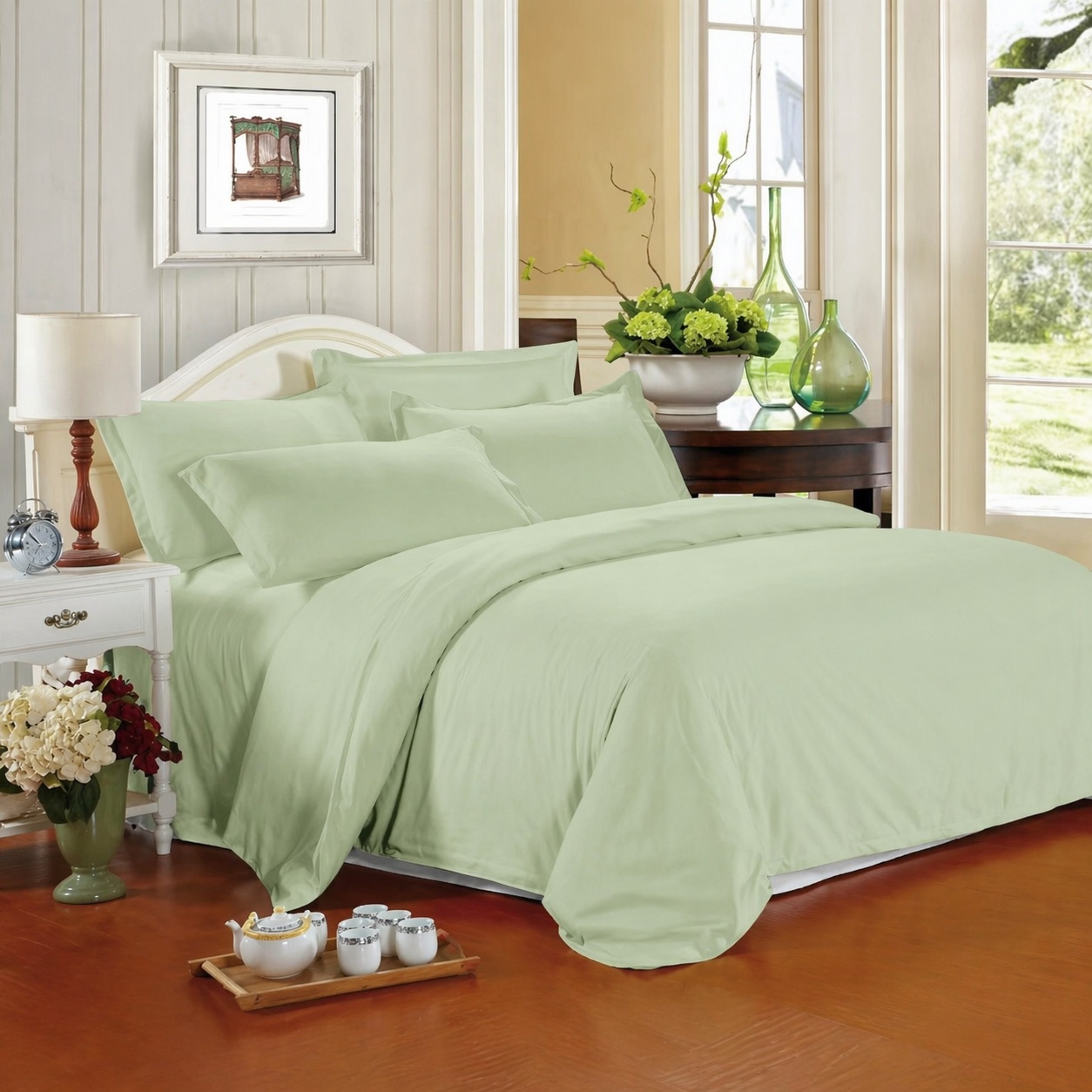
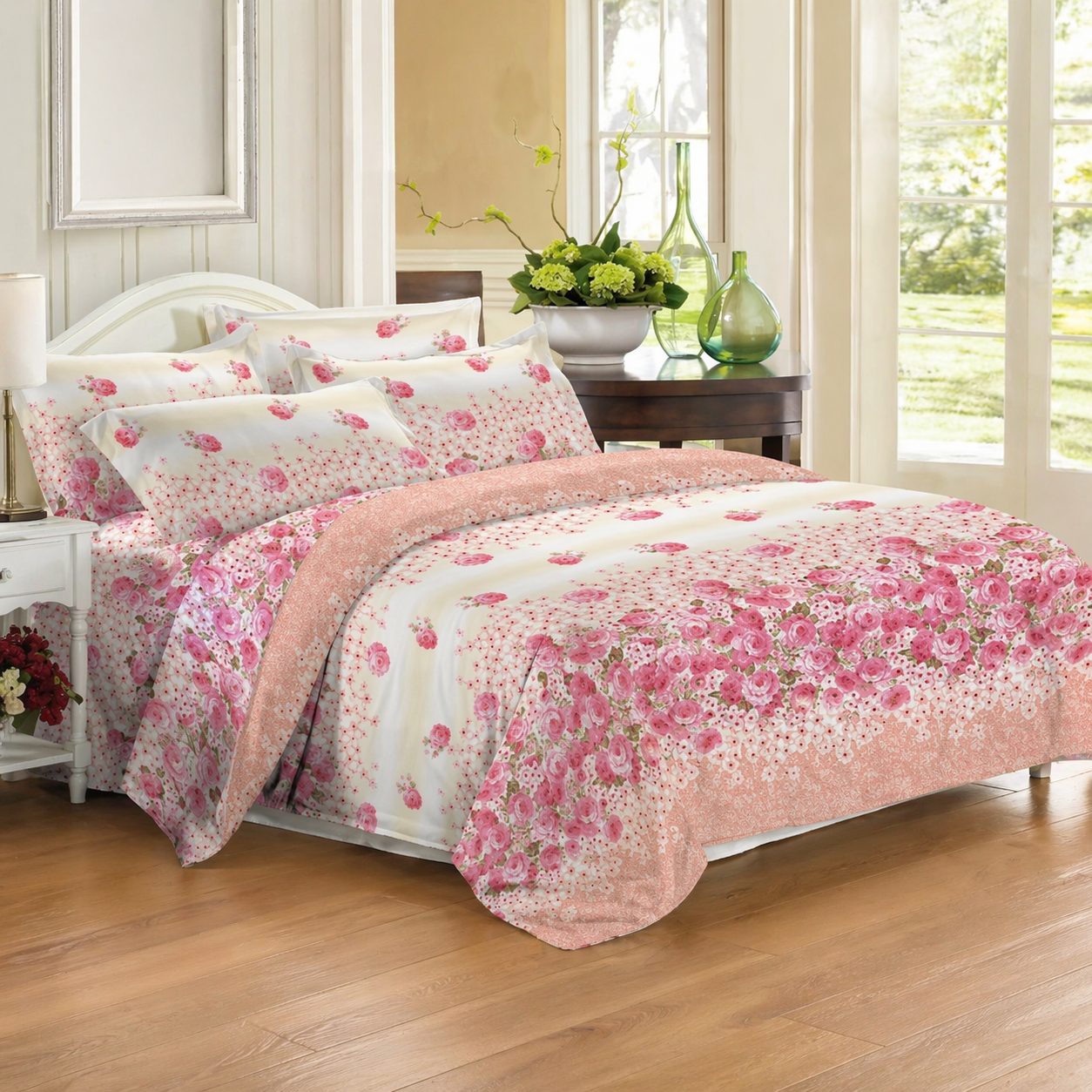
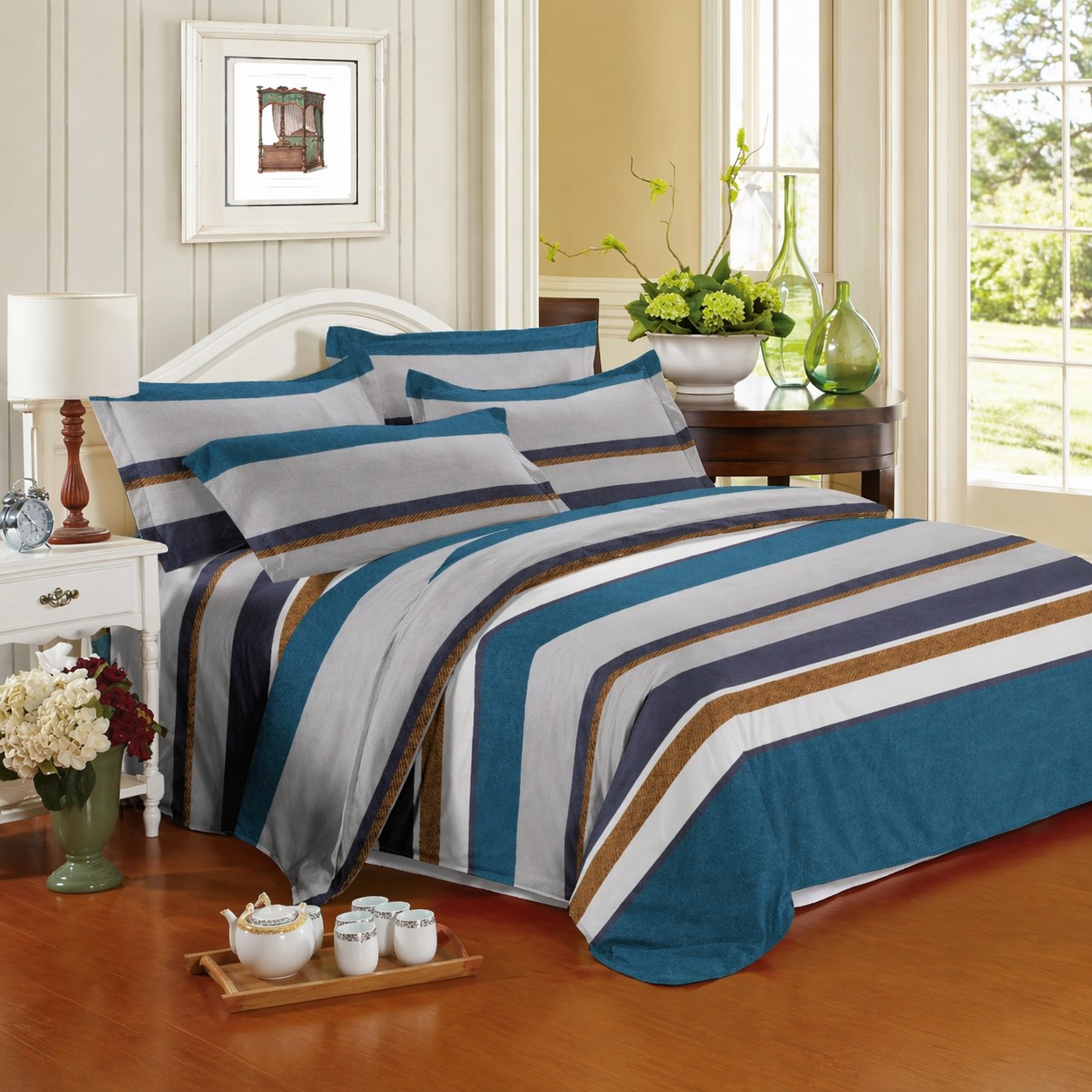
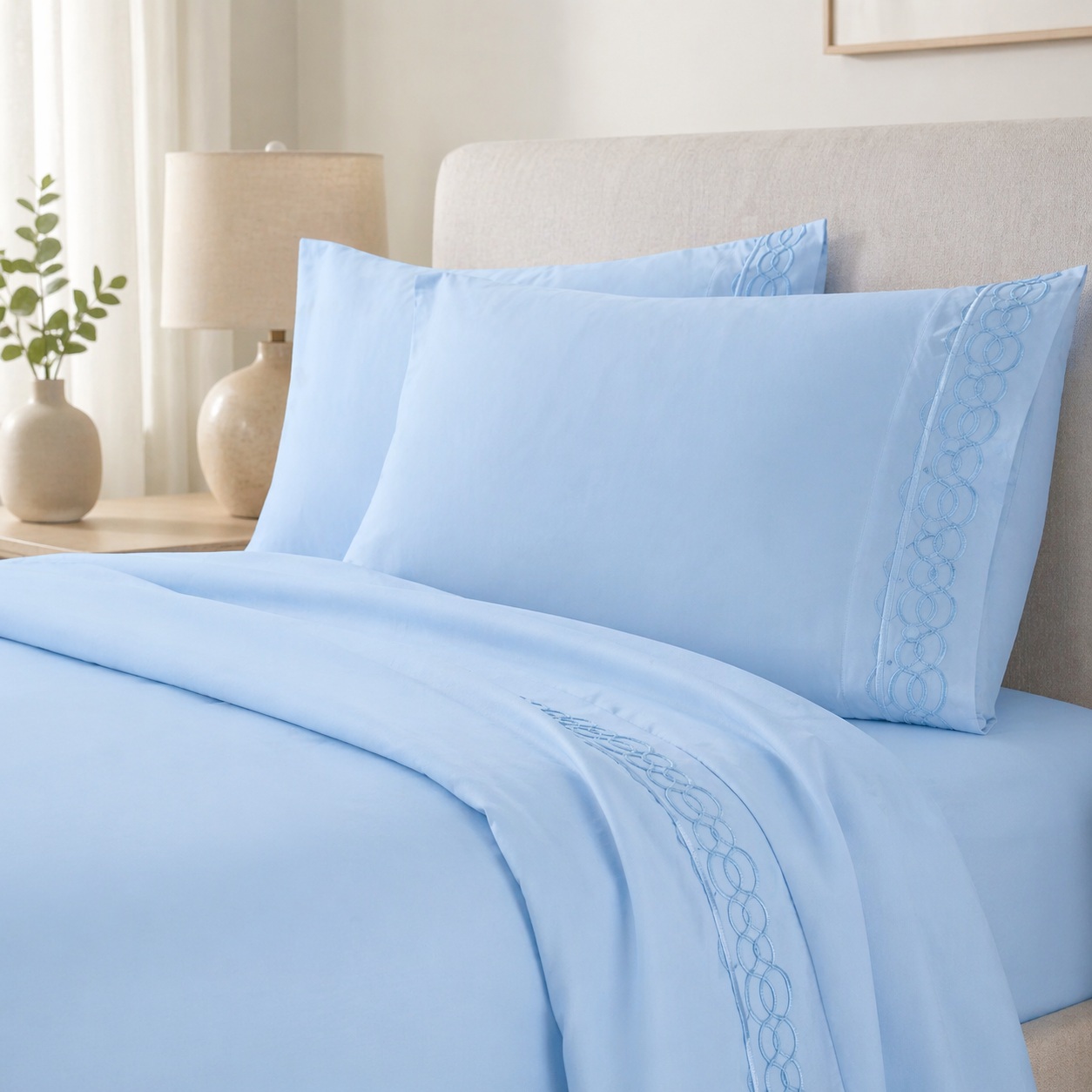
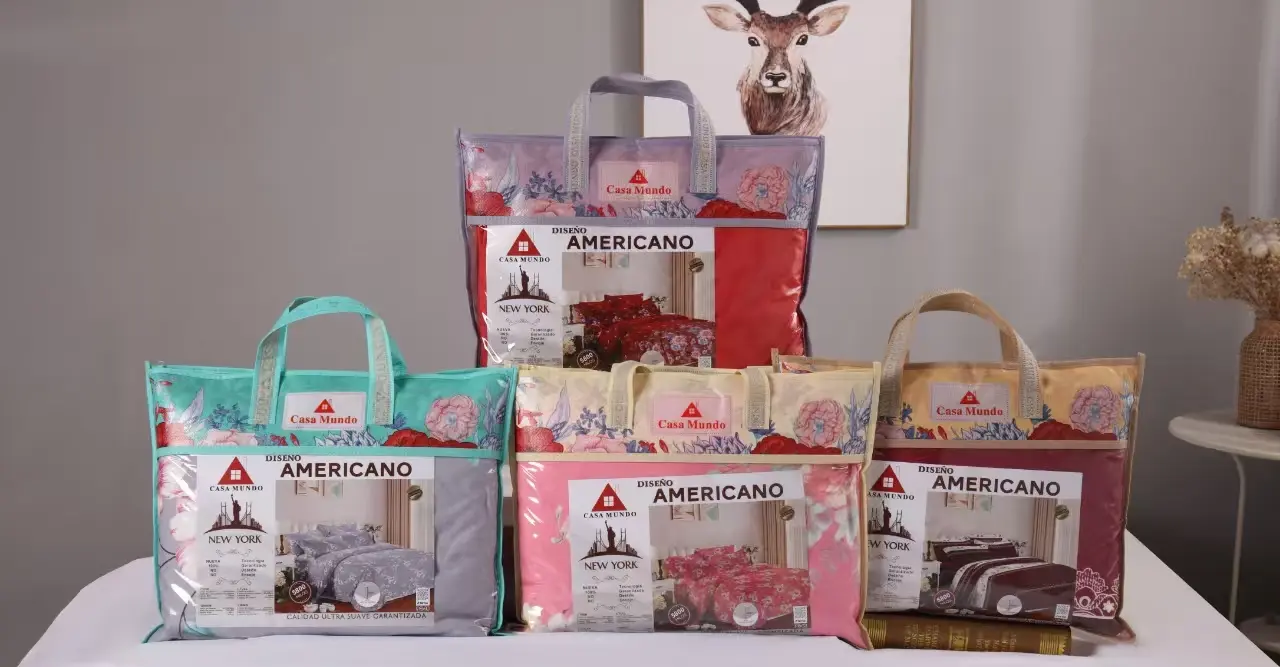
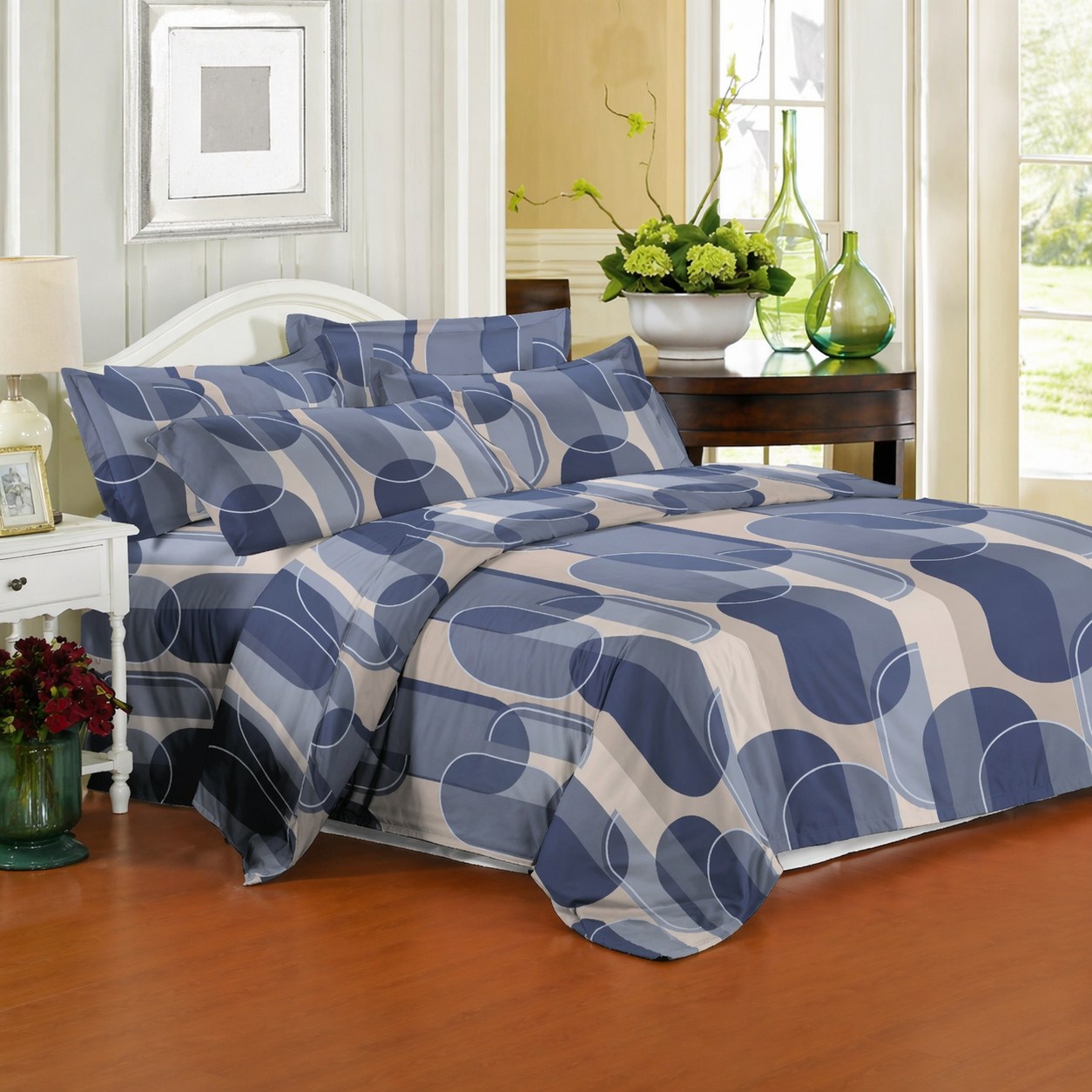
Brushed polyester fabric is widely used in sheets, duvet covers, and pillowcases as an alternative to traditional cotton bedding. The brushed surface creates a soft, peach-skin texture while maintaining excellent durability, wrinkle resistance, and shrink resistance.
For hotels and hospitality suppliers, polyester brushed fabric bedding offers advantages in commercial laundering environments. It maintains appearance after repeated washing, reduces replacement frequency, and provides a comfortable surface for long-term use.
Plain weave polyester brushed fabric is particularly popular for everyday bedding collections due to its balanced performance, cost efficiency, and versatility. For buyers sourcing brushed polyester fabric wholesale, plain weave constructions are often a practical choice for large-scale bedding production.
Blankets and Decorative Textiles
Polyester brushed fabric is also widely used in blankets, throws, and cushion covers because of its warmth-to-weight ratio and soft hand feel. Double-layer gauze and heavier brushed constructions provide additional thickness and insulation for premium blankets and home furnishing products.
For decorative pillows and seasonal textile collections, brushed polyester offers good color retention, surface softness, and resistance to pilling, helping manufacturers create durable products with consistent appearance.
Upholstery and Furniture Applications
In furniture applications, polyester brushed fabric provides a balance of comfort and durability for high-use environments.
For residential sofas and armchairs, brushed polyester upholstery creates a soft tactile surface while maintaining strong abrasion resistance and easy maintenance. Twill polyester brushed fabric is especially suitable for upholstery because its textured structure improves durability and visual appeal.
In hospitality and contract furniture, including hotels, restaurants, and office spaces, brushed polyester fabric is valued for its ability to withstand frequent cleaning and daily wear. Its dimensional stability helps furniture maintain a neat appearance over extended use.
Accessories and Specialty Applications
The versatility of polyester brushed fabric extends beyond traditional textiles. It is used in bags, footwear linings, pet products, and other specialty applications where softness, lightweight performance, and durability are required.
For example, brushed polyester is commonly selected for backpack linings and shoe interiors because it provides a comfortable touch while maintaining resistance to abrasion and repeated use. Its color stability and easy maintenance also make it suitable for various lifestyle and consumer product applications.
What buyers should look for when sourcing polyester brushed fabric
For procurement professionals and brand owners, the decision to specify polyester brushed fabric goes beyond choosing a color or weight. Here are the critical factors to evaluate when selecting a polyester brushed fabric supplier.
Weight and construction. GSM (grams per square meter) is the first filter:
-
Lightweight (80–150 GSM): Linings, shirts, sheer drapes
-
Medium-weight (150–230 GSM): Most apparel, bedding, decorative pillows
-
Heavyweight (230–350 GSM): Upholstery, outerwear, blankets
Weave selection. As outlined in the table above, match the weave to the application:
-
Plain weave for everyday bedding and apparel
-
Twill for upholstery and workwear
-
Double layer gauze for premium blankets and outerwear
-
Imitation cotton for garments needing a natural feel
-
Cationic for sportswear with aesthetic appeal
-
Jacquard for luxury fashion and decorative interiors
-
Tufted for carpets and soft furnishings
Dimensional stability and shrinkage. Polyester does not shrink much, but poor-quality brushing or inadequate heat-setting can cause distortion. Ask for shrinkage test results (typically <3% in both warp and weft). Also check skew and bow values for woven fabrics—these affect how the material hangs and sews.
Color consistency and dyeing method. Polyester is dyed with disperse dyes at high temperatures. Good polyester brushed fabric suppliers run lab dips and spectral measurements to ensure batch-to-batch consistency. If your brand has tight color standards, request a color-matching protocol and approve a physical strike-off before bulk production.
Abrasion and pilling resistance. For upholstery, ask for Martindale test reports (cycles to failure). For apparel, ask for pilling ratings (ASTM D3512 or similar). A rating of 4 or 5 out of 5 indicates minimal pilling—critical for maintaining a premium look.
Certifications and compliance. OEKO-TEX Standard 100 is common for skin-contact materials. For furniture, California TB 117-2013 or BS 5852 flammability standards may apply. For export to certain regions, REACH or RoHS compliance might be required. A reliable polyester brushed fabric manufacturer will have these certifications readily available.
Sustainability credentials. Recycled polyester (rPET) is increasingly available in brushed constructions. Many brands now mandate a minimum recycled content. Ask for GRS (Global Recycled Standard) certificates and verify the supply chain for traceability. Some suppliers also offer bluesign®-approved or Cradle to Cradle certified options.
Sustainability and Care Considerations of Polyester Brushed Fabric
Recycled Polyester: A More Sustainable Option
As textile brands increasingly focus on reducing environmental impact, recycled polyester brushed fabric has become a practical alternative to traditional polyester materials. Made from recycled PET bottles, this material maintains the durability, softness, and performance characteristics of conventional polyester while helping reduce reliance on virgin resources.
The brushing process can be applied to recycled polyester yarns with minimal impact on fabric performance, making it suitable for apparel, home textiles, and upholstery applications. For brands with sustainability targets, choosing recycled brushed polyester can support environmental goals while maintaining product quality.
However, consistency remains a key consideration. Buyers should work with experienced polyester brushed fabric suppliers that have strong control over yarn quality, dyeing processes, and finishing technology. Reliable suppliers can help ensure stable color, strength, and surface performance across different production batches.
Care and Maintenance Guidelines
One of the main advantages of polyester brushed fabric is its easy-care performance. Proper maintenance helps preserve the softness, appearance, and service life of the brushed surface.
Recommended care practices include:
- Machine wash with cold or warm water: Excessive heat may damage the brushed surface and increase pilling risk.
- Use low-temperature drying: High heat can affect fiber structure and surface softness.
- Avoid excessive fabric softener: It may leave residue that reduces moisture management performance.
- Clean upholstery regularly: Vacuuming helps prevent dust buildup that can wear down the fabric surface.
- Use mild cleaning solutions: Harsh chemicals may affect color stability and fabric durability.
These simple care requirements make brushed polyester a practical choice for products requiring frequent cleaning and long-term performance.
Limitações do tecido de poliéster escovado
Although polyester brushed fabric offers excellent versatility, it is not suitable for every application.
For luxury formalwear, natural fibers such as wool or silk may provide a more premium appearance and hand feel. In extremely hot climates or high-intensity sports applications, some users may prefer fabrics with higher natural breathability. Certain specialized flame-resistant applications may also require alternative materials.
However, for most commercial textile applications—including apparel, bedding, furniture fabrics, and accessories—brushed polyester provides an effective balance of softness, durability, cost efficiency, and easy maintenance.
Choosing the Right Polyester Brushed Fabric Supplier
For brands, manufacturers, and sourcing professionals, selecting the right fabric partner is as important as choosing the material itself. A reliable polyester brushed fabric supplier should provide consistent quality, customization options, and technical support throughout the development process.
Key factors to evaluate include:
- Fabric construction and GSM options
- Brushing quality and surface consistency
- Color matching capability
- Shrinkage and abrasion test results
- Sustainability certifications such as recycled polyester documentation
- Production capacity and delivery reliability
By working with an experienced supplier, buyers can reduce production risks and develop textile products that meet both market expectations and performance requirements.
Ready to Source Polyester Brushed Fabric for Your Next Project?
Whether you are developing apparel collections, home textiles, hospitality products, or upholstery solutions, choosing the right polyester brushed fabric can significantly influence product performance and customer satisfaction.
We provide customized brushed polyester solutions with various constructions, finishes, and testing support to meet different application requirements. Contact our team to discuss your specifications, request samples, and explore the best fabric solution for your next project.