
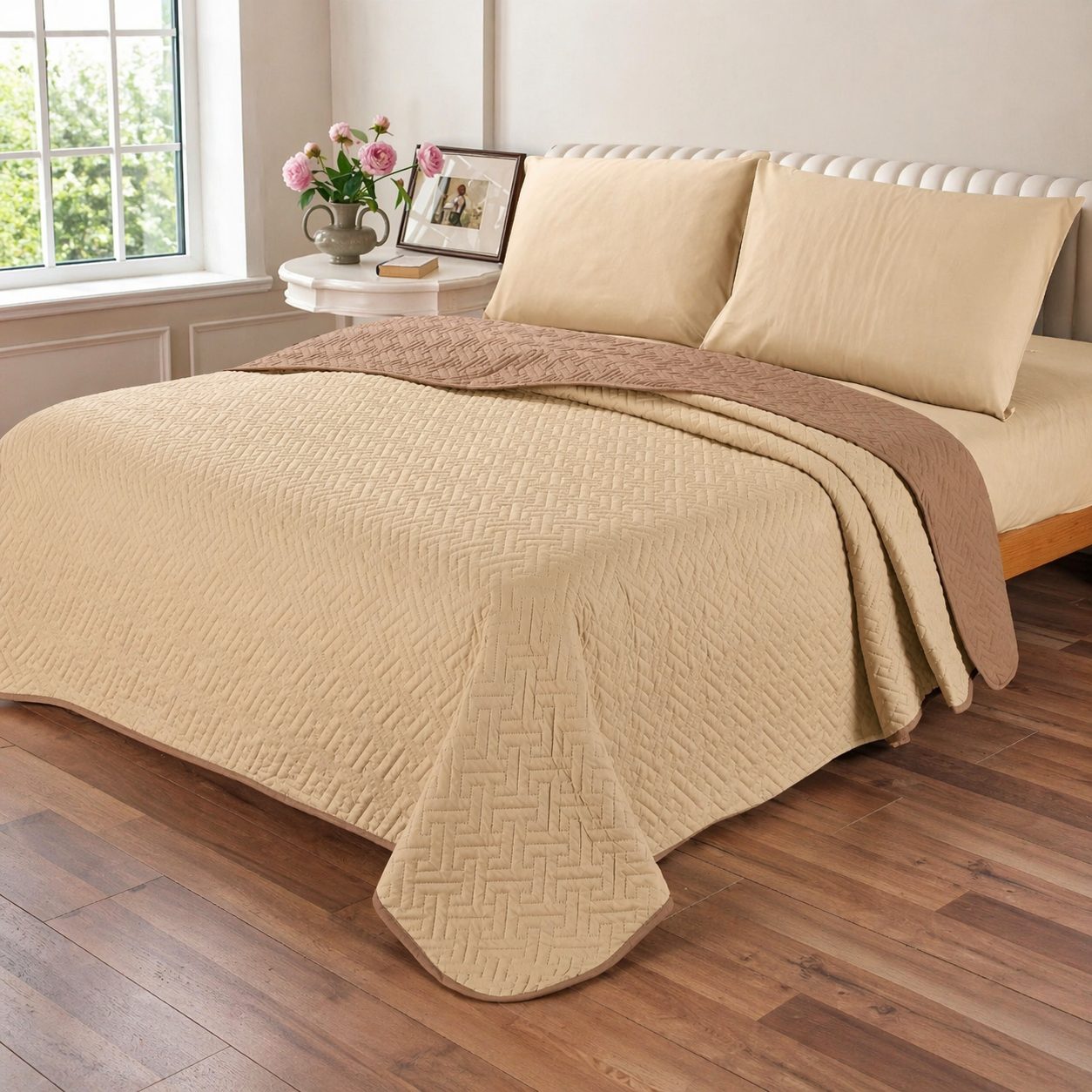
Bedding plays a significant role in both sleep quality and bedroom aesthetics. Among the many options available in modern home textiles, the embroidered bedding set stands out for its decorative elegance and lasting appeal. Unlike printed bedding, embroidery introduces texture, craftsmanship, and depth, transforming a simple fabric surface into a refined design element.
Consumers today are not only concerned with appearance. Durability, comfort, and material quality have become equally important considerations. A well-made embroidered bedding set can last for many years, maintaining both structural integrity and visual beauty. However, not all embroidered bedding sets are created with the same level of quality. Differences in fabric selection, embroidery techniques, stitching density, and finishing processes can significantly affect performance and longevity.
Choosing the right embroidered bedding set, therefore, requires an understanding of how these products are made and what features indicate superior construction. Buyers who know what to look for are far more likely to invest in bedding that maintains its comfort, softness, and decorative value over time.
This guide explores the key factors that define a high-quality embroidered bedding set, helping consumers and home textile buyers make informed decisions when selecting bedding designed for long-term comfort.
The Enduring Appeal of Embroidered Bedding Sets
Embroidery has been used in textile decoration for centuries. Long before digital printing became common, artisans decorated fabrics with intricate stitched patterns, often representing cultural symbols, floral motifs, or geometric designs.
In modern bedding, embroidery continues to offer several advantages over other decorative techniques. Instead of sitting on the surface like ink or pigment, embroidered threads become part of the fabric itself. This results in a richer visual effect and greater durability.
Embroidery also introduces dimensional texture. The raised stitching catches light differently from the base fabric, giving the bedding a layered appearance that cannot be replicated through printing alone. This subtle depth is one reason embroidered bedding is often associated with premium home decor.
Another important advantage is longevity. High-quality embroidery can withstand repeated washing without fading or peeling. When properly produced, embroidered patterns remain vibrant and structurally intact for years.
For homeowners seeking bedding that combines visual sophistication with practical durability, embroidered bedding sets remain one of the most reliable choices available in the textile market.
Fabric Quality Is the Foundation of Durable Bedding
The fabric used in a bedding set has a direct influence on comfort, durability, and the overall performance of embroidery. Even the most intricate embroidery cannot compensate for low-quality base material.
High-quality embroidered bedding sets typically rely on fabrics that balance softness, breathability, and structural stability.
Cotton remains one of the most widely used materials for premium bedding. Long-staple cotton fibers create smoother yarns that resist pilling and maintain their softness after repeated washing. Egyptian cotton and Supima cotton are commonly associated with luxury bedding because their fiber length allows for finer, stronger threads.
Cotton blends are another popular option. By combining cotton with polyester or other fibers, manufacturers can improve wrinkle resistance and durability while maintaining a comfortable feel. These blends often provide a practical balance between performance and affordability.
Linen bedding offers a different type of comfort. Known for its breathability and moisture-absorbing properties, linen is especially popular in warmer climates. Embroidered linen bedding provides a natural aesthetic while maintaining excellent durability.
Fabric weight is also an important factor. Lightweight fabrics may feel soft initially, but can struggle to support dense embroidery patterns. High-quality bedding generally uses medium-weight fabrics that provide sufficient structure without sacrificing comfort.
Selecting a bedding set made from reliable, high-grade fabric ensures that the embroidery will remain stable and that the bedding will maintain its shape and softness over time.
Embroidery Techniques in Bedding Production
Embroidery quality depends heavily on the techniques used during manufacturing. While decorative patterns may look similar at first glance, the underlying stitching method can significantly affect durability and visual precision.
Modern bedding manufacturers often use computerized embroidery machines capable of producing highly detailed designs with consistent stitching. These machines allow precise control over thread tension, stitch density, and pattern placement.
However, machine capability alone does not guarantee quality. The programming of embroidery patterns plays an important role in determining how well the design integrates with the base fabric.
Several embroidery styles are commonly used in bedding:
-
Satin stitch embroidery creates smooth, continuous lines and is often used for floral outlines or elegant borders.
-
Fill stitch embroidery covers larger design areas with tightly arranged stitches, producing bold decorative elements.
-
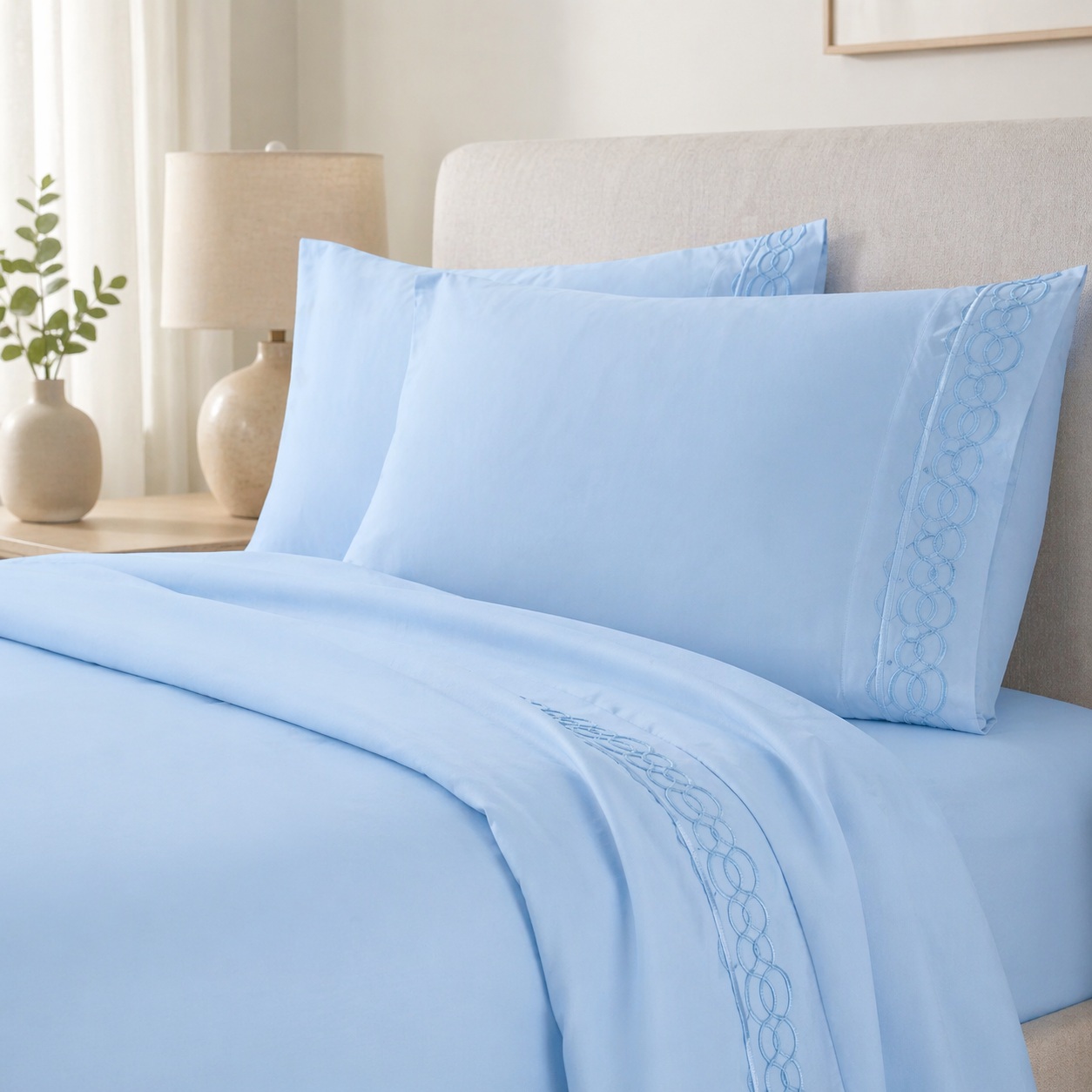
Chain stitch embroidery forms looped patterns that add texture and depth to the design.
-
Appliqué embroidery combines stitched fabric pieces with embroidery, creating layered visual effects.
The choice of technique depends on both aesthetic goals and functional requirements. High-quality bedding typically uses stitching patterns designed to maintain structural stability while enhancing decorative appeal.
A well-executed embroidery pattern should lie smoothly on the fabric surface without causing puckering or distortion. This balance between decoration and structural integrity is one of the key indicators of a well-manufactured bedding product.
Stitch Density and Thread Quality Matter
Another factor that influences embroidery performance is stitch density. Stitch density refers to how closely individual stitches are placed within a design. When stitches are too sparse, the pattern may appear incomplete or fragile. Excessively dense stitching, on the other hand, can create stiffness and cause fabric distortion.
Experienced manufacturers carefully calculate stitch density to ensure both durability and flexibility. Properly balanced stitching allows embroidered patterns to move naturally with the fabric, preventing tension that might lead to tearing or deformation.
Thread quality is equally important. Embroidery threads must withstand repeated washing, friction, and exposure to light. Poor-quality threads may fade, fray, or break over time.
Premium embroidered bedding sets often use threads made from materials such as:
-
Long-fiber cotton threads
-
Polyester embroidery threads with high tensile strength
-
Silk threads for luxury decorative accents
Polyester threads are particularly common because they offer strong color retention and excellent resistance to abrasion. Cotton threads, meanwhile, provide a softer, more natural appearance that blends well with cotton fabrics.
Selecting bedding with durable thread materials ensures that the embroidered patterns will maintain their appearance through years of use.
Key Features That Indicate a High Quality Embroidered Bedding Set
When evaluating embroidered bedding, several practical indicators can reveal whether a product has been manufactured to high standards. Buyers should look beyond the visual design and examine construction details.
Important features include:
-
Consistent stitching across the entire design
Irregular or uneven stitching can indicate poor machine calibration or rushed production. -
Clean thread finishing on the reverse side of the fabric
Loose threads or tangled backing often suggest low manufacturing quality. -
Reinforced seams around embroidered areas
Additional stitching strengthens areas where fabric experiences greater stress. -
Balanced embroidery placement
Patterns should align properly with duvet covers, pillowcases, and sheet edges. -
Smooth fabric surface without puckering
Fabric distortion around embroidery is a sign of incorrect stitch tension or poor design programming.
Careful attention to these details can help buyers distinguish between decorative bedding produced for short-term visual appeal and bedding designed for long-term durability.
Fabric Finishing Processes Improve Comfort and Durability
After embroidery is completed, bedding fabrics typically undergo finishing treatments designed to enhance comfort, stability, and appearance.
One common finishing method is fabric pre-shrinking. During this process, the fabric is exposed to controlled moisture and heat to reduce future shrinkage after washing. This treatment helps embroidered patterns maintain their shape.
Softening treatments are also frequently applied. These processes break down stiff fibers and improve the tactile feel of the bedding. Proper softening ensures that embroidery does not create discomfort during sleep.
Wrinkle-resistant finishing is another valuable feature, particularly for cotton blends. By improving fabric resilience, these treatments help bedding maintain a neat appearance with minimal ironing.
Color fixation processes are also essential. High-quality dyeing ensures that both fabric and embroidery threads retain their color even after repeated laundering.
These finishing stages play an important role in transforming embroidered textiles from decorative materials into comfortable, functional bedding products.
Comparing Different Embroidered Bedding Materials
Different fabric materials can influence how embroidery performs and how bedding feels during daily use.
| Fabric Type | Comfort Level | Durability | Embroidery Compatibility | Typical Use |
|---|---|---|---|---|
| Long-Staple Cotton | Very soft and breathable | High | Excellent | Luxury bedding |
| Cotton-Polyester Blend | Smooth and wrinkle-resistant | Very high | Good | Everyday bedding |
| Linen | Cool and breathable | High | Moderate | Natural aesthetic bedding |
| Microfiber | Lightweight and affordable | Moderate | Limited | Budget bedding |
Each material offers unique advantages. Long-staple cotton remains the preferred option for premium embroidered bedding because it provides both comfort and structural support for detailed stitching.
Design Considerations in Embroidered Bedding
While quality construction is essential, design also plays a role in long-term satisfaction. Embroidery patterns influence how bedding interacts with bedroom decor and how easily it adapts to changing interior styles.
Classic floral embroidery remains one of the most popular choices. Floral motifs introduce a sense of elegance and softness, making them suitable for traditional bedroom settings.
Geometric embroidery offers a more contemporary appearance. Clean lines and repeating patterns complement modern interiors that emphasize minimalism and symmetry.
Border embroidery is another common design approach. Instead of covering the entire fabric surface, embroidery is placed along duvet edges or pillowcase borders. This technique creates a refined appearance while maintaining fabric softness across the central sleeping area.
Color coordination also matters. Neutral embroidery tones such as ivory, champagne, and soft gray integrate easily with different room palettes, increasing the versatility of the bedding set.
Thoughtful design choices ensure that embroidered bedding remains visually appealing even as interior design trends evolve.
Caring for Embroidered Bedding Sets
Proper care is essential to maintain the appearance and durability of embroidered bedding.
Washing should generally be done using gentle cycles and mild detergents. Harsh chemicals may weaken embroidery threads or cause color fading.
Cold or warm water is usually preferable to hot water, which can damage delicate stitching. Turning bedding inside out before washing can also help protect embroidery surfaces from friction.
Air drying is ideal whenever possible. If using a dryer, a low-heat setting reduces the risk of fabric shrinkage and thread damage.
Ironing may be necessary for certain fabrics, but it should be done carefully. Placing a cloth between the iron and embroidered areas helps prevent direct heat damage.
With consistent care, high-quality embroidered bedding can retain its beauty and structural integrity for many years.
Why Quality Matters in Long Term Bedding Investment
A bedding set is not merely a decorative item. It plays a role in sleep comfort, hygiene, and bedroom atmosphere. Investing in well-made embroidered bedding can therefore provide long-term benefits beyond aesthetics.
High-quality materials reduce wear and tear, meaning the bedding will maintain softness and structural integrity through hundreds of washing cycles. Durable embroidery ensures that decorative patterns remain vibrant rather than deteriorating over time.
Well-constructed bedding also contributes to better sleep comfort. Breathable fabrics regulate temperature and reduce moisture buildup, creating a more comfortable sleeping environment.
From a value perspective, quality bedding often proves more economical in the long run. Although the initial purchase price may be higher, durable bedding eliminates the need for frequent replacements.
For homeowners who value both comfort and design, embroidered bedding sets represent a balanced investment in both functionality and style.
Choosing a high-quality embroidered bedding set involves more than selecting an attractive pattern. The true value of embroidered bedding lies in the combination of premium materials, precise embroidery techniques, durable stitching, and thoughtful fabric finishing.
By paying attention to fabric composition, stitch density, thread quality, and overall construction, buyers can identify bedding products that offer long-lasting comfort and visual elegance.
Embroidery continues to hold a unique place in modern home textiles. Its ability to combine artistic detail with structural durability ensures that embroidered bedding sets remain a timeless element of bedroom design.
When carefully manufactured and properly maintained, these bedding sets can provide years of comfort while adding refined decorative character to any living space.