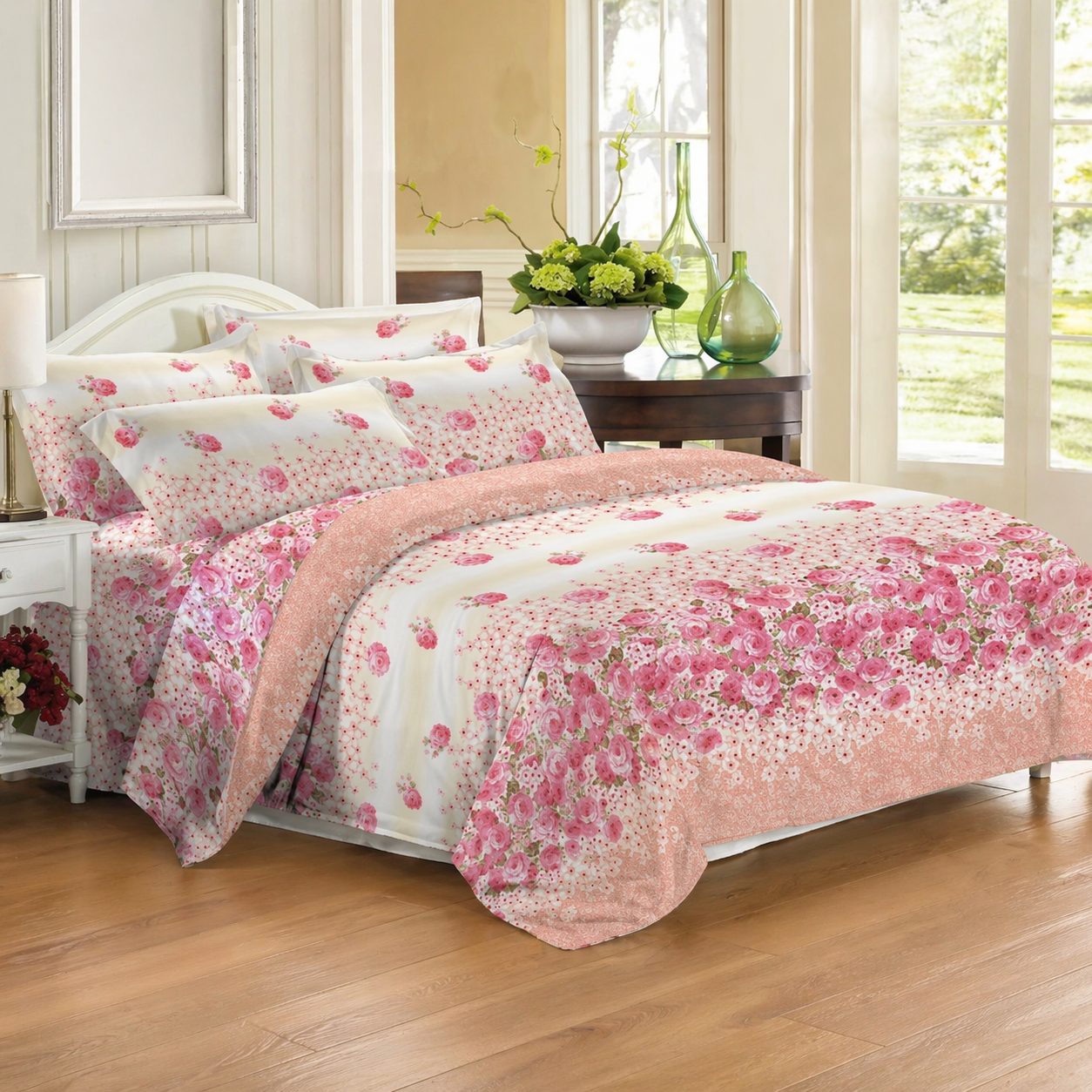
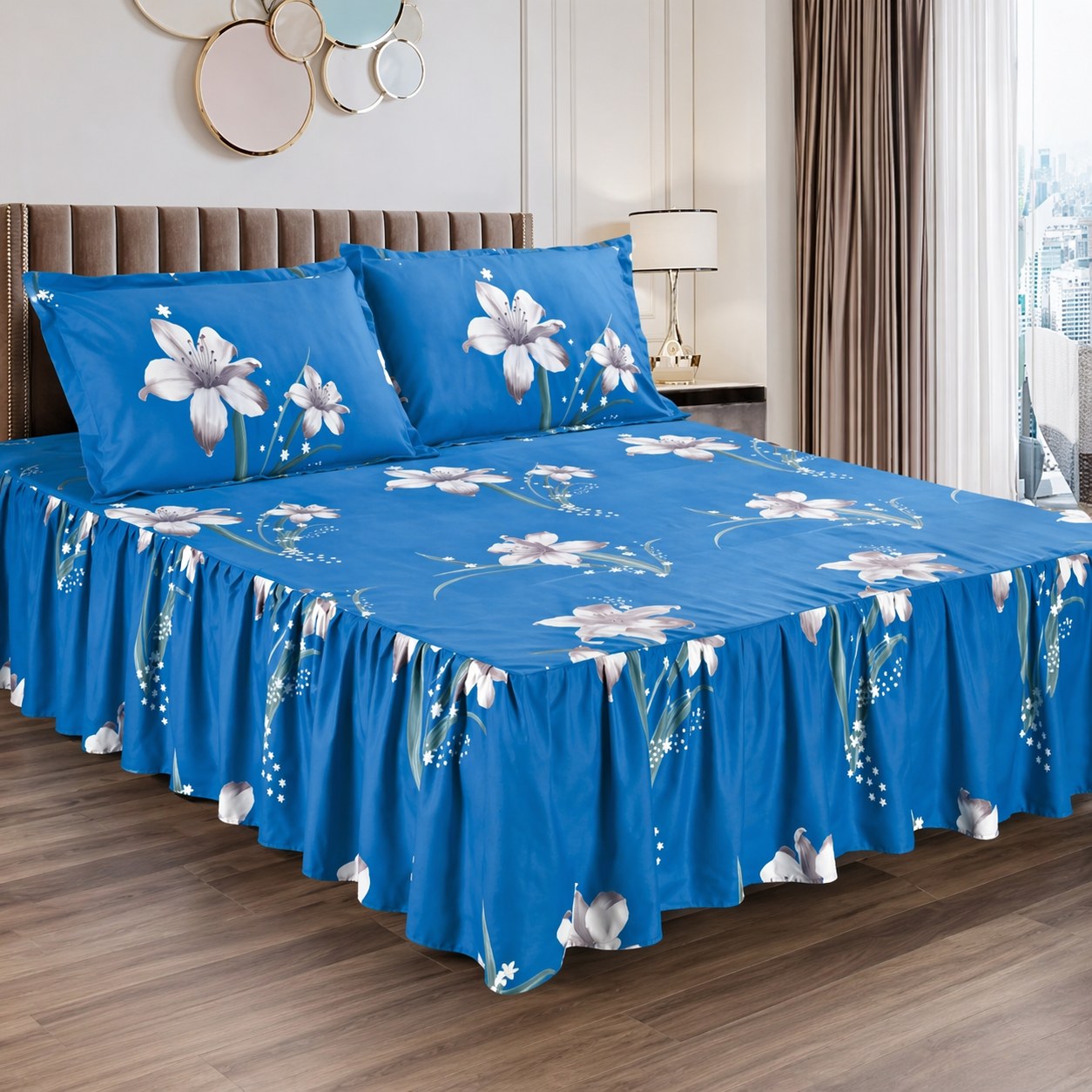
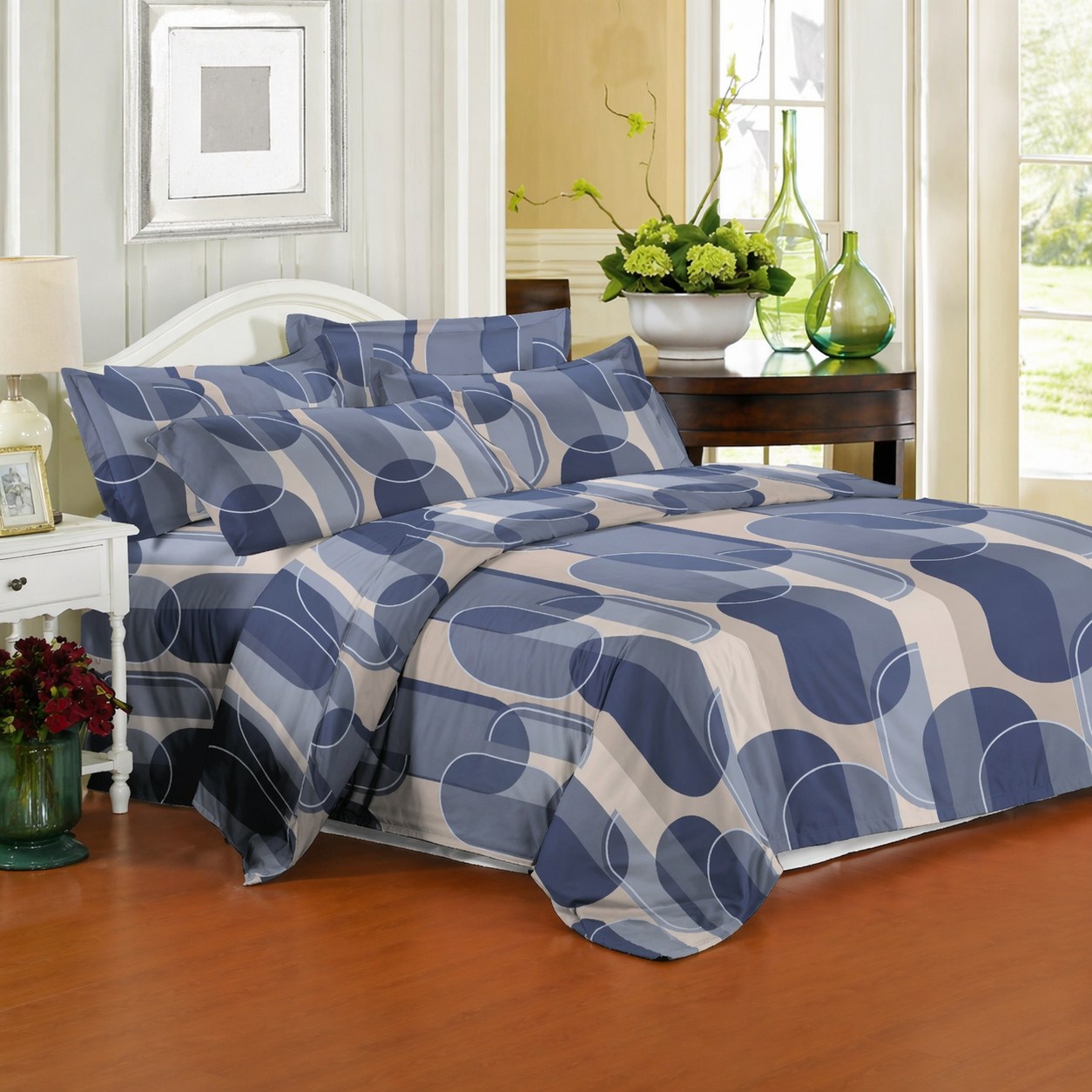
If you have ever purchased winter bedding that feels soft but lightweight, worn a fleece-lined hoodie that traps warmth without feeling bulky, or bought affordable hotel sheets with a smooth, slightly fuzzy surface, chances are you have encountered brushed polyester fabric.
At first glance, it may look like a simple variation of ordinary polyester. In reality, brushed polyester fabric is the result of a carefully controlled finishing process that significantly alters surface structure, thermal behavior, and tactile performance. While the base fiber remains synthetic polyester, the brushing treatment transforms its feel and functionality in ways that make it suitable for entirely different applications.
To truly understand brushed polyester fabric, we need to look beyond its softness. We need to examine how it is made, how brushing changes fiber behavior, how it performs under real conditions, and where it stands compared to natural alternatives such as cotton or flannel.
By the end of this guide, you will have a complete understanding of brushed polyester fabric from both a manufacturing and end-use perspective.
What Is Polyester?
Before discussing brushed polyester fabric specifically, it is important to understand the base material: polyester.
Polyester is a synthetic fiber derived from petrochemical polymers, most commonly polyethylene terephthalate (PET). The fiber is formed through a melt-spinning process in which molten polymer is extruded through spinnerets, cooled, stretched, and wound into filaments or staple fibers.
Standard polyester fabric is known for several inherent characteristics:
-
High tensile strength
-
Excellent wrinkle resistance
-
Dimensional stability
-
Resistance to shrinking
-
Quick drying behavior
-
Strong color retention
These properties make polyester one of the most widely produced textile fibers in the world. However, untreated polyester often has a relatively smooth, slightly shiny surface and can feel somewhat cool or less breathable against the skin.
This is where brushing becomes transformative.
What Does “Brushed” Mean in Brushed Polyester Fabric?
The term “brushed” refers to a mechanical finishing treatment applied to the surface of the fabric after weaving or knitting.
In the case of brushed polyester fabric, rotating rollers covered with fine wire bristles or abrasive materials gently scrape the surface of the textile. This controlled abrasion lifts tiny fibers from the yarn structure, creating a raised nap or micro-fleece layer.
This process alters three critical aspects of the material:
-
Surface texture
-
Thermal performance
-
Visual appearance
Unlike chemical treatments, brushing is purely mechanical. It does not change the polymer composition. Instead, it modifies how the fibers interact with air, light, and skin.
Single-sided brushing produces a soft interior surface, commonly used in garments. Double-sided brushing enhances softness on both sides, often used in bedding and blankets.
The brushing intensity, number of passes, and fiber fineness all determine the final quality of brushed polyester fabric.
Structural Characteristics of Brushed Polyester Fabric
Surface Nap Formation
The defining feature of brushed polyester fabric is the raised nap layer. These microfibers trap air within the surface structure, creating insulation while maintaining lightweight performance.
The nap reduces the glossy appearance typical of standard polyester and produces a matte, suede-like texture. This change in light reflection is not just aesthetic; it also affects perceived warmth and comfort.
Fabric Construction Types
Brushed polyester fabric can be manufactured using:
-
Knitted constructions (jersey, interlock, fleece)
-
Woven constructions (microfiber sheets, upholstery)
-
Microfiber-based polyester yarns
Knitted versions are generally more flexible and used in apparel, while woven brushed polyester fabric is common in bedding and home textiles.
Thermal Air Pockets
The raised fibers create micro air chambers that slow down heat transfer. Because air is a poor conductor of heat, brushed polyester fabric provides better insulation compared to smooth polyester of the same weight.
This structural adjustment explains why brushed polyester fabric is widely chosen for winter products.
Performance Properties of Brushed Polyester Fabric
Softness and Comfort
One of the primary reasons brushed polyester fabric has gained popularity is its enhanced softness. The raised fibers create a cushioning effect between the fabric and the skin.
While untreated polyester may feel slick or slightly cool, brushed polyester fabric feels warmer and more comfortable immediately upon contact.
Thermal Insulation
Brushed polyester fabric offers improved heat retention compared to regular polyester due to its air-trapping nap layer.
However, it is important to clarify that brushed polyester fabric does not generate heat. Instead, it slows the escape of body warmth. This makes it particularly effective in:
-
Winter bedding
-
Lounge garments
-
Lightweight blankets
-
Cold-weather casual wear
Moisture Behavior
Polyester itself is hydrophobic, meaning it does not absorb water readily. Brushed polyester fabric retains this core property.
However, the raised surface increases surface area, which can slightly improve moisture spreading and evaporation. As a result, brushed polyester fabric dries faster than cotton but may feel less breathable in humid climates.
Durability and Abrasion Resistance
Polyester fibers are inherently strong. Even after brushing, the polyester fabric maintains good durability.
However, excessive abrasion over time may cause:
-
Surface flattening
-
Pilling formation
-
Gradual loss of softness
Quality control during brushing plays a major role in minimizing these risks.
Wrinkle and Shape Retention
Like regular polyester, brushed polyester fabric maintains its shape well. It resists wrinkling and does not shrink significantly under normal washing conditions.
This is one reason it dominates the affordable bedding market.
Brushed Polyester Fabric vs Regular Polyester Fabric
Although both materials share the same fiber base, their performance differs significantly.
Regular polyester typically features:
-
Smooth surface
-
Higher sheen
-
Cooler touch
-
Lower insulation
Brushed polyester fabric, by contrast, offers:
-
Soft, fuzzy texture
-
Matte appearance
-
Enhanced warmth
-
Increased tactile comfort
From a cost perspective, brushed polyester fabric may be slightly more expensive due to additional finishing steps. However, the performance benefits often justify the difference.
Brushed Polyester Fabric vs Cotton and Flannel
Compared to Cotton
Cotton absorbs moisture more effectively and offers higher breathability. However, brushed polyester fabric dries faster and resists shrinking.
In colder conditions, brushed polyester fabric may feel warmer because it traps air more efficiently.
Compared to Flannel
Flannel, typically made from cotton or wool, is also brushed to create softness. Structurally, flannel and brushed polyester fabric share similarities in surface texture.
However:
-
Flannel absorbs moisture more.
-
Brushed polyester fabric dries faster.
-
Flannel may shrink.
-
Brushed polyester fabric maintains dimensional stability.
In lower-cost markets, brushed polyester fabric often replaces flannel in winter bedding.
Applications of Brushed Polyester Fabric
Brushed polyester fabric appears across multiple industries due to its balance between cost, softness, and performance.
Bedding Industry
It is widely used for:
-
Bed sheets
-
Pillowcases
-
Duvet covers
-
Comforter linings
Its wrinkle resistance and color retention make it ideal for hotels and mass retail.
Apparel Industry
In clothing, brushed polyester fabric is common in:
-
Hoodies
-
Thermal tops
-
Sweatpants
-
Athletic layering garments
The fabric provides warmth without significant weight.
Home Textiles
Blankets, throws, and sofa covers frequently rely on brushed polyester fabric for its soft touch and easy maintenance.
Advantages of Brushed Polyester Fabric
Brushed polyester fabric offers a combination of practical and commercial benefits:
-
Affordable compared to natural brushed fabrics
-
Lightweight yet warm
-
Resistant to shrinking
-
Colorfast and fade-resistant
-
Easy to wash and quick to dry
-
Wrinkle resistant
These qualities explain its dominance in budget-conscious markets.
Limitations of Brushed Polyester Fabric
Despite its strengths, brushed polyester fabric has limitations.
It may:
-
Generate static electricity
-
Feel less breathable in humid conditions
-
Contribute to microfiber shedding
-
Develop pilling over time
Environmental concerns surrounding synthetic fibers also affect consumer perception.
Environmental Considerations
Since brushed polyester fabric is derived from petrochemical sources, it is not biodegradable.
However, recycled polyester options are increasingly available. Recycled brushed polyester fabric reduces reliance on virgin petroleum and lowers carbon footprint.
Microfiber shedding during washing remains an industry challenge, and ongoing innovation focuses on minimizing fiber release.
How to Care for Brushed Polyester Fabric
To extend the life of brushed polyester fabric:
-
Wash in cold or warm water
-
Avoid high-heat drying
-
Use mild detergents
-
Turn garments inside out to reduce abrasion
-
Avoid excessive fabric softener
Proper care reduces pilling and maintains softness.
How to Identify High-Quality Brushed Polyester Fabric
When evaluating brushed polyester fabric, consider:
-
Evenness of nap surface
-
Density (GSM rating)
-
Uniform brushing quality
-
Absence of excessive loose fibers
-
Recovery after stretching
Higher-quality brushed polyester fabric feels consistently soft without patchiness.
Is Brushed Polyester Fabric the Right Choice?
Brushed polyester fabric is ideal when:
-
Warmth is needed without heavy weight
-
Budget control is important
-
Easy maintenance is required
-
Shrink resistance matters
It may not be ideal for extremely hot climates or consumers prioritizing natural fiber sustainability.
The Real Value of Brushed Polyester Fabric
Brushed polyester fabric is more than just a softer version of polyester. Through mechanical surface finishing, it transforms a smooth synthetic textile into a warm, matte, comfort-oriented material suitable for bedding, apparel, and home textiles.
Its success lies in its balance: cost efficiency, warmth, durability, and easy care. While it does not replace all natural fabrics, brushed polyester fabric occupies a powerful position in global textile markets.
Understanding its structure and performance allows manufacturers, designers, and consumers to make informed decisions based on climate, application, and budget.