
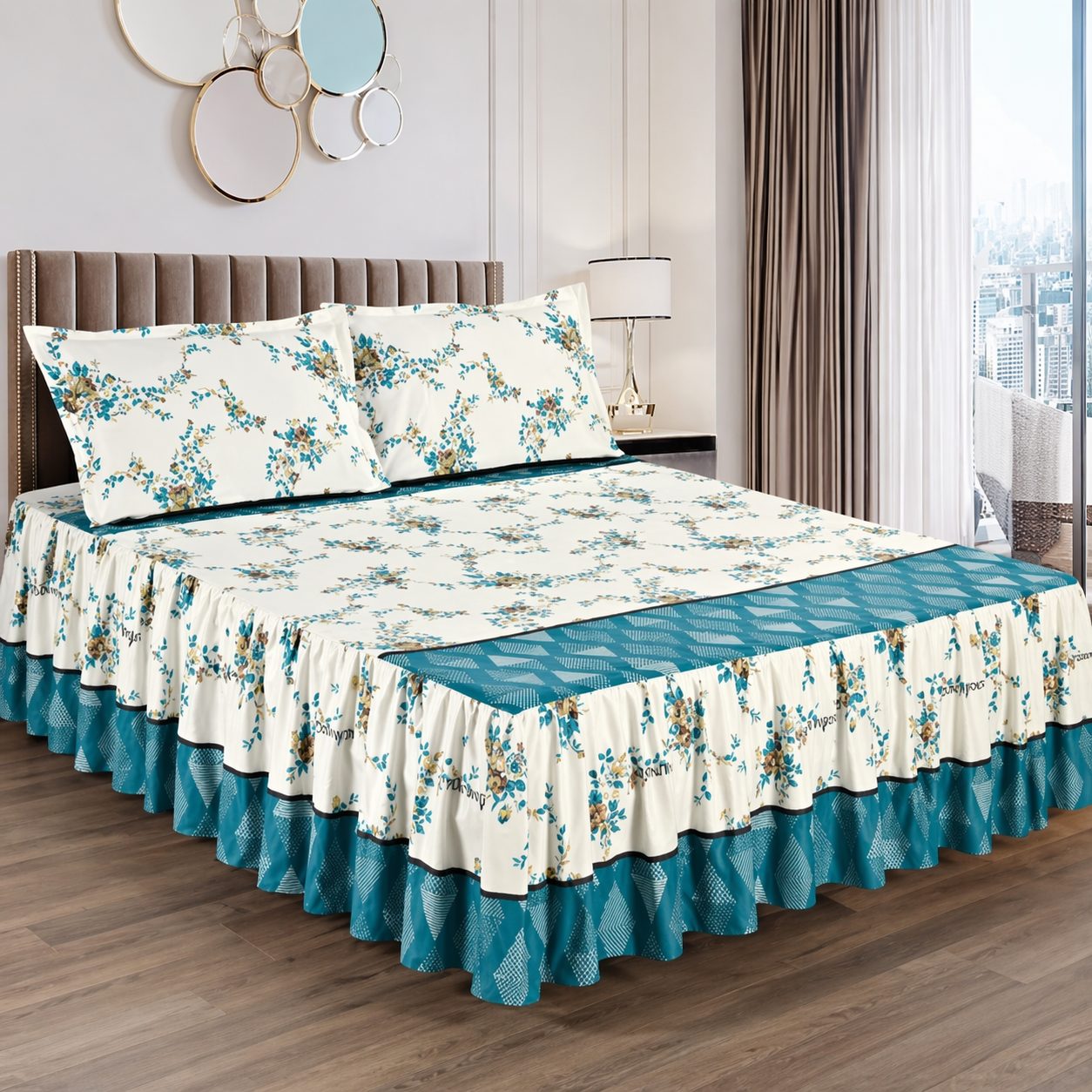
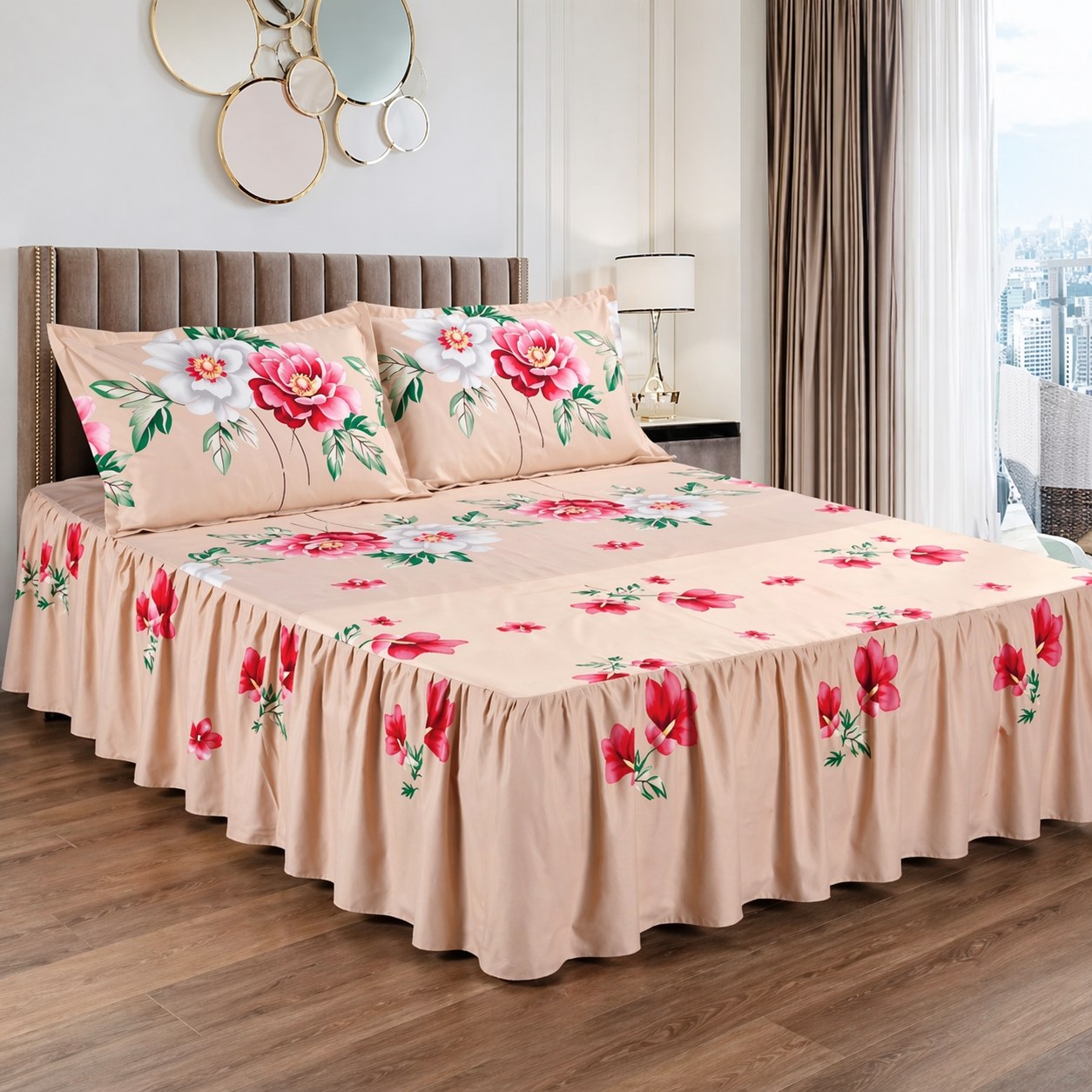
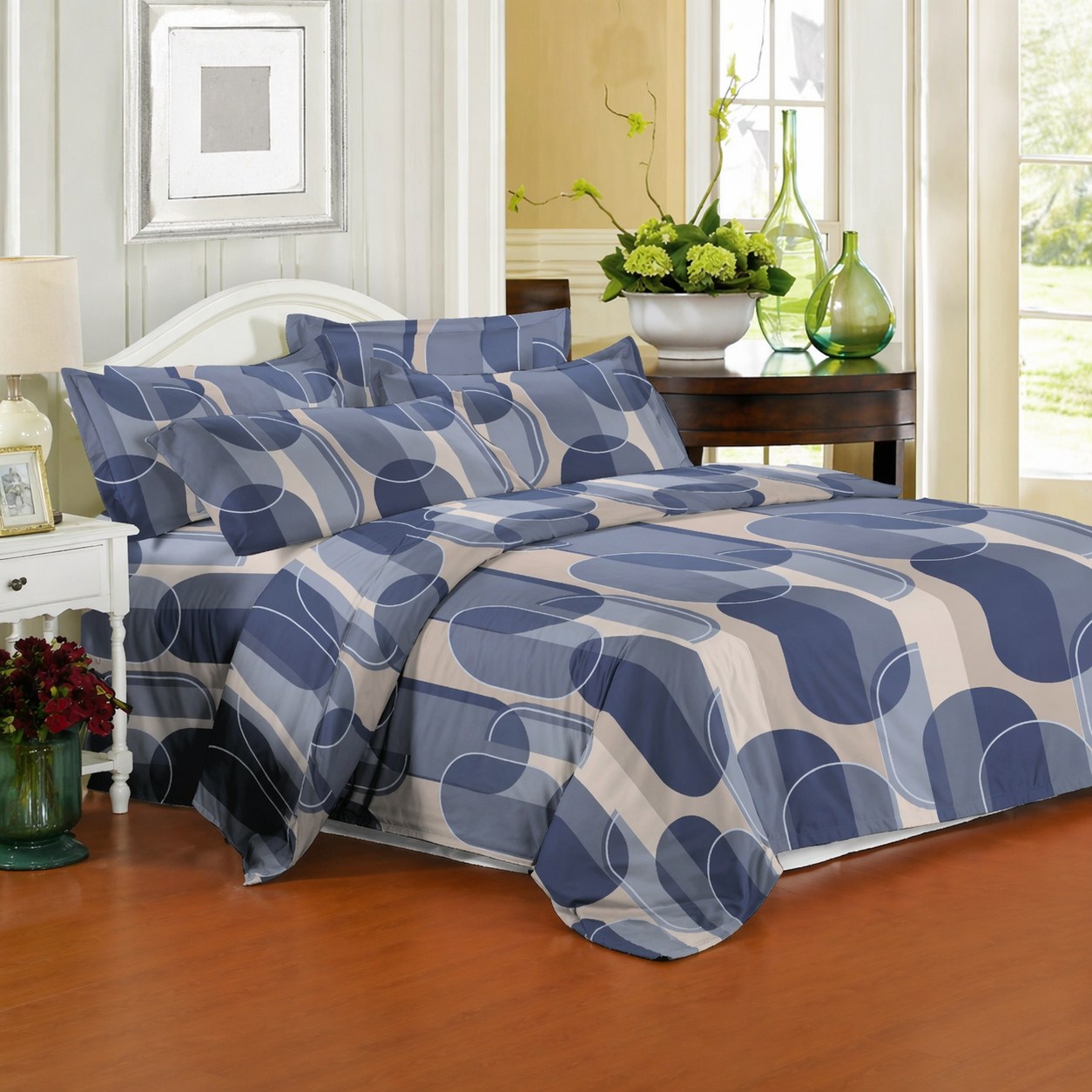
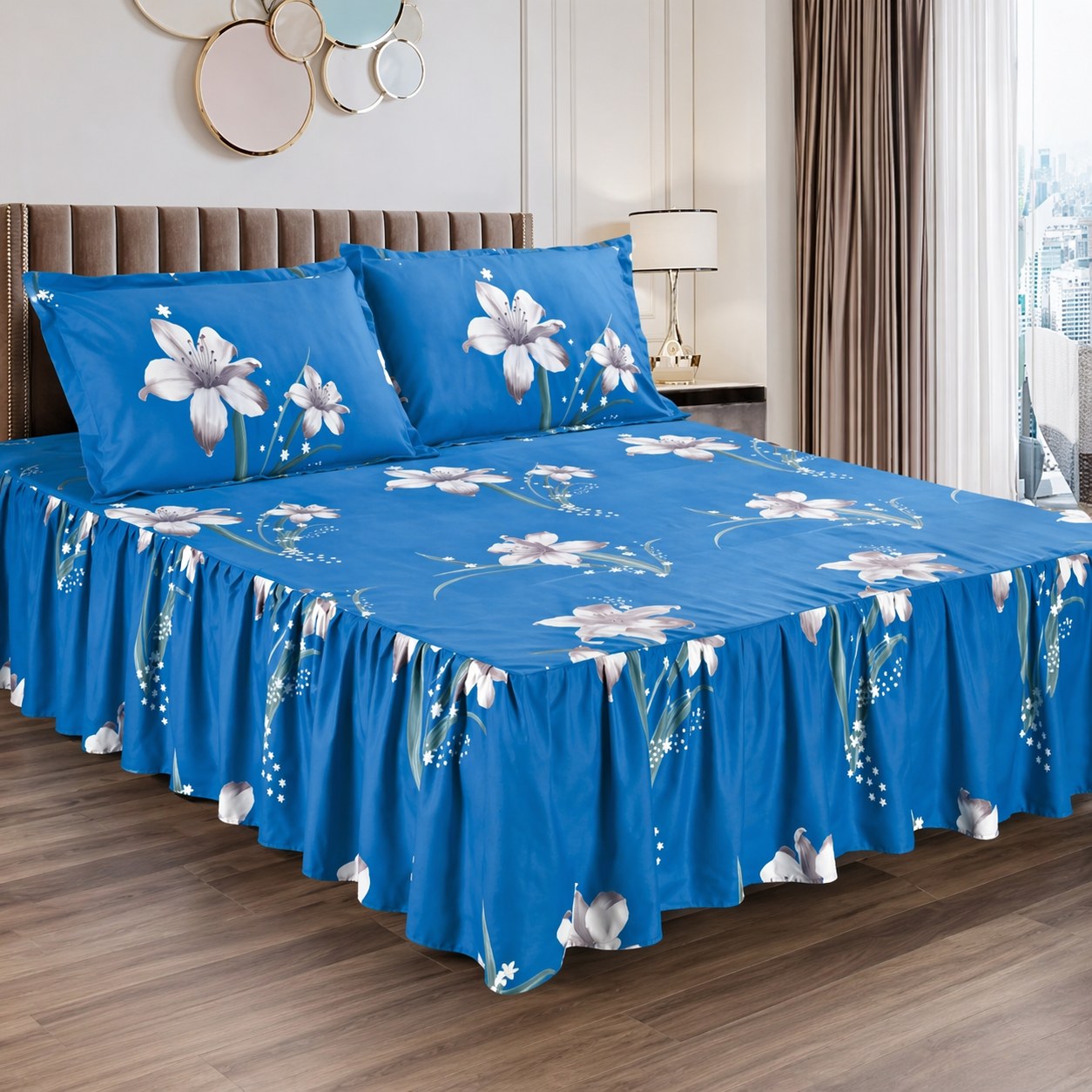
Bedrooms today look very different from those of twenty or thirty years ago. Platform beds, low-profile frames, minimalist furniture, and neutral color palettes dominate modern interiors. Against that backdrop, the bed skirt often feels like a leftover from another era—something associated with heavy fabrics, ruffles, and traditional guest rooms. Yet despite changes in furniture design and interior trends, the bed skirt has not disappeared. In fact, it continues to play a meaningful role in how a bedroom looks, feels, and functions.
A bed skirt is not simply a decorative accessory. It sits quietly at the intersection of aesthetics and practicality, shaping how the bed integrates with the rest of the room. In modern bedroom design, where visual cleanliness and intentional detail matter more than ever, the bed skirt remains relevant—not because it insists on attention, but because it solves problems that many newer design elements create.
At its core, a bed skirt addresses what the bed itself cannot: the visual and functional gap between mattress and floor. Even the most expensive bedding set often leaves this space exposed. That gap may not seem important at first glance, but once noticed, it changes how finished the room feels. A bed skirt resolves that interruption, creating continuity, balance, and purpose.
The Visual Role of a Bed Skirt in Modern Bedrooms
Modern bedroom design often prioritizes clean lines, symmetry, and a sense of calm. Beds are central to that visual balance. When the area beneath the bed is exposed, it can disrupt the flow of the room. Shadows collect there. Storage boxes, bed frames, or metal supports become visible. Even when kept tidy, the exposed underside of a bed rarely contributes positively to the overall design.
A bed skirt softens that visual break. Instead of the eye stopping abruptly at the mattress edge, the fabric extends the bed’s presence downward, visually anchoring it to the floor. This effect becomes especially important in rooms with high ceilings or large floor plans, where a floating-looking bed can feel disconnected from its surroundings.
In modern interiors, the bed skirt no longer needs to be decorative in an obvious way. Flat panels, tailored edges, and neutral tones allow it to blend seamlessly with contemporary aesthetics. When done right, the bed skirt does not draw attention to itself—it supports the room’s structure quietly.
This subtle contribution is one reason interior designers continue to include bed skirts in spaces that otherwise lean minimalist. The goal is not embellishment, but visual completeness.
Practical Benefits That Still Matter
Beyond appearance, bed skirts solve everyday problems that modern bed designs often introduce. Platform beds and metal frames may emphasize form, but they rarely address what happens beneath the bed. Dust, clutter, and exposed storage are persistent realities.
A bed skirt helps manage these issues in a simple, non-intrusive way. It creates a barrier that limits dust accumulation under the bed, reducing the amount of cleaning required over time. For people who use the space beneath their bed for storage—seasonal clothing, extra bedding, or personal items—a bed skirt keeps those items out of sight without the need for bulky drawers or storage furniture.
This is particularly relevant in urban apartments and smaller bedrooms, where every square meter matters. The bed skirt allows the space beneath the bed to remain functional without visually overwhelming the room.
Another often overlooked benefit is temperature control. In colder climates, the fabric barrier helps reduce drafts under the bed, contributing to a warmer sleeping environment. While subtle, this effect adds to overall comfort, especially in older buildings or rooms with hardwood floors.
Bed Skirt Versus Modern Bed Alternatives
Modern bedding solutions offer alternatives that appear to replace the bed skirt—storage beds, box spring covers, or upholstered frames. Each has advantages, but none fully replaces the flexibility of a bed skirt.
Storage beds, for example, integrate drawers or lift-up mechanisms. While efficient, they lock the bed into a fixed design and height. A bed skirt, by contrast, adapts easily to different frames and can be replaced or updated without changing the bed itself.
Upholstered frames cover the bed base but limit future styling options. A bed skirt allows homeowners to change colors, textures, or materials seasonally or as tastes evolve, without significant investment.
Box spring covers serve a similar function but tend to appear more rigid and less forgiving in fit. Bed skirts, especially adjustable or tailored versions, accommodate variations in mattress height and bed construction more gracefully.
How Modern Design Has Changed the Bed Skirt
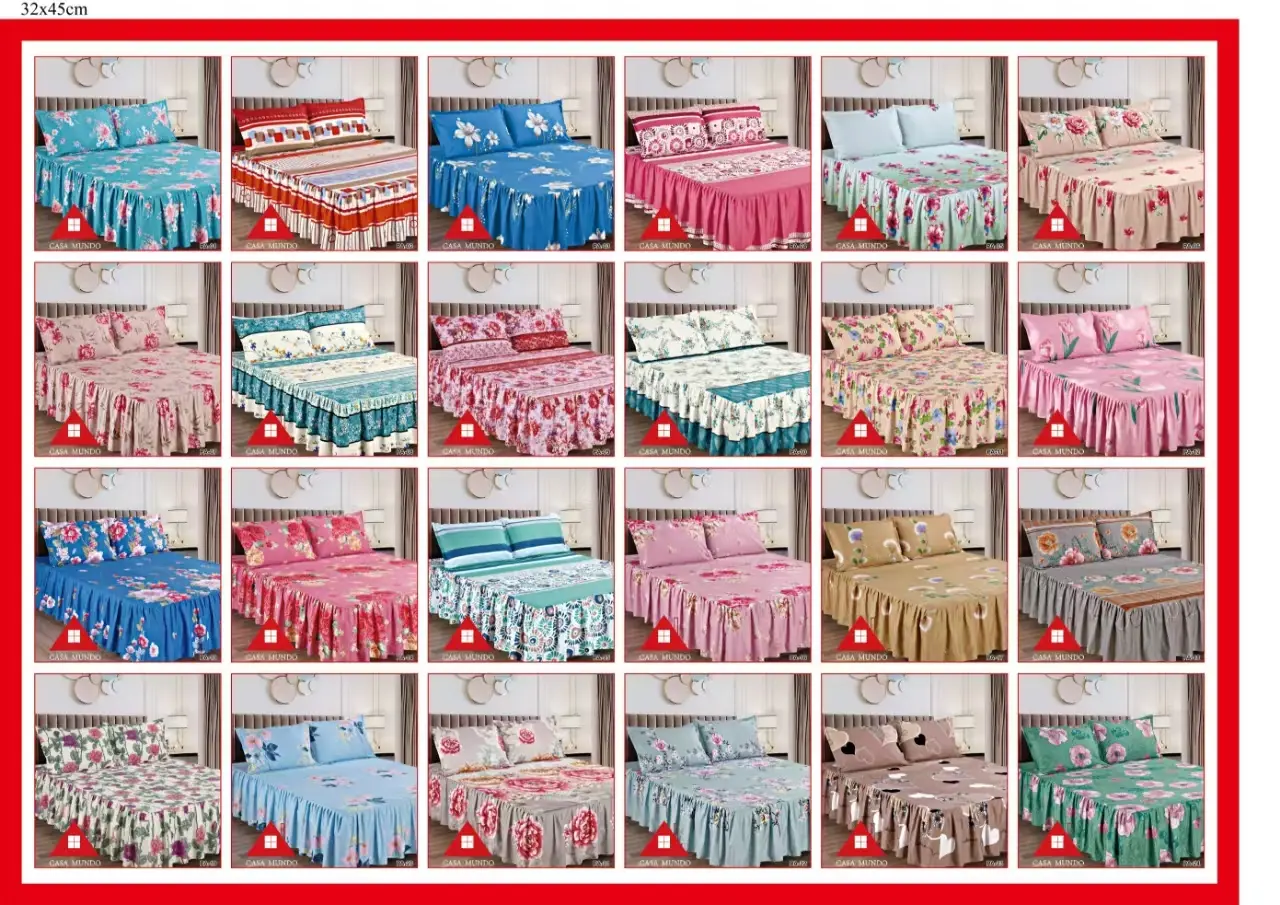
The bed skirt of today is not the same product as it was decades ago. Design evolution has reshaped its form, material choices, and overall purpose. Traditional gathered styles have largely given way to clean-lined silhouettes that align with contemporary preferences.
Modern bed skirts focus on precision rather than ornamentation. Straight edges, subtle pleats, and smooth draping dominate current designs. This shift allows the bed skirt to function as a structural element rather than a decorative accent.
Material selection has also evolved. Lightweight cotton blends, microfiber fabrics, and wrinkle-resistant textiles replace heavier, more rigid materials. These modern fabrics offer better drape, easier maintenance, and improved durability—qualities that match modern lifestyles.
Color palettes have shifted as well. Instead of bold prints or ornate patterns, today’s bed skirts often appear in muted neutrals: whites, greys, beiges, and soft earth tones. These colors support versatility and longevity, allowing the bed skirt to remain relevant even as other elements in the room change.
When a Bed Skirt Makes the Most Sense
While bed skirts remain useful, they are not necessary for every bed or every room. Their value becomes most apparent in specific situations.
A bed skirt works particularly well when:
-
The bed frame exposes legs, slats, or structural elements that interrupt visual flow
-
Under-bed storage is used, but should remain hidden
-
The room design emphasizes cohesion and calm rather than raw minimalism
-
The mattress height creates an awkward visual gap betweenthe bed and the floor
In these cases, the bed skirt acts as a visual and functional solution rather than a decorative afterthought.
Conversely, extremely low platform beds or fully enclosed upholstered frames may not benefit from a bed skirt. Modern design values intention, and a bed skirt should be used because it solves a problem, not simply because it exists.
Choosing the Right Bed Skirt for a Modern Bedroom
Selecting a bed skirt today requires a different mindset than in the past. Instead of focusing on decoration, the emphasis should be on proportion, material, and integration with the overall design.
Drop length is one of the most important considerations. A bed skirt that is too long pools on the floor, creating a dated appearance. A tailored length that just grazes the floor maintains a clean look and avoids excess fabric.
Fabric choice influences both appearance and usability. Smooth, wrinkle-resistant materials preserve structure over time. Breathable fabrics support airflow and comfort. Texture should complement other textiles in the room without competing for attention.
Color selection should align with the bed frame or flooring rather than the duvet cover. This approach anchors the bed visually and prevents the skirt from feeling like a separate element.
The following table summarizes how different material choices perform in modern bedroom settings:
| Material Type | Visual Effect | Durability | Maintenance Level | Best Use Scenario |
|---|---|---|---|---|
| Cotton | Soft, natural | Good | Moderate | Everyday bedrooms |
| Cotton-poly blend | Clean, structured | High | Easy | Busy households |
| Microfiber | Smooth, uniform | High | Very easy | Modern apartments |
| Linen-look fabrics | Textured, relaxed | Moderate | Moderate | Casual interiors |
Integration with Contemporary Interior Styles
A common misconception is that bed skirts only belong in traditional or classic bedrooms. In reality, they integrate effectively with many modern interior styles when chosen thoughtfully.
In Scandinavian-inspired rooms, a simple white or light grey bed skirt enhances the sense of softness without disrupting minimalism. In industrial-style spaces, darker neutral skirts help ground metal frames and exposed elements. For modern coastal interiors, lightweight fabrics in muted tones contribute to a relaxed, layered look.
The key is restraint. A bed skirt should support the room’s atmosphere rather than compete with it. When it mirrors the room’s textures and colors, it becomes an invisible contributor to comfort and balance.
Maintenance and Longevity in Real Homes
Modern lifestyles demand low-maintenance solutions. Bed skirts designed for contemporary use reflect this reality. Many now feature easy-on designs, split corners, or adjustable panels that simplify installation and removal.
Regular washing helps maintain hygiene and appearance, but modern fabrics reduce the need for ironing or special care. Choosing a bed skirt that holds its shape after laundering ensures it continues to contribute positively to the room over time.
Durability matters as well. Reinforced seams and quality stitching prevent sagging or fraying, particularly in homes where under-bed storage is accessed frequently. A well-made bed skirt should last as long as other bedding components, making it a practical investment rather than a disposable accessory.
The Psychological Impact of a Finished Bed
A bed is more than a place to sleep. It is the focal point of the bedroom and often the first element noticed upon entering the room. A bed that appears finished conveys order, intention, and calm.
A bed skirt contributes subtly to this perception. By concealing distractions and unifying the bed’s silhouette, it reinforces a sense of completeness. This visual calm has psychological effects, supporting relaxation and rest—key goals of any bedroom environment.
In modern life, where visual noise is constant, such quiet design elements carry more value than their simplicity suggests.
Why Bed Skirts Continue to Endure
Design trends evolve, but functional solutions persist. The bed skirt endures because it addresses fundamental aspects of bedroom design that technology and furniture innovations have not eliminated.
It adapts. It simplifies. It finishes what the bed frame begins.
Rather than viewing the bed skirt as outdated, it is more accurate to see it as refined. Modern versions respect contemporary aesthetics while continuing to solve real problems. They prove that good design does not shout—it supports.
Rethinking the Bed Skirt as a Design Tool
When used intentionally, a bed skirt becomes a design tool rather than an accessory. It shapes space, manages visual weight, and enhances comfort without demanding attention.
Modern bedroom design is not about removing elements until nothing remains. It is about choosing elements that serve a purpose and contribute to a cohesive whole. The bed skirt, quietly and consistently, does exactly that.
As bedrooms continue to evolve, the bed skirt remains a reminder that thoughtful details matter. Not everything needs to be bold to be valuable. Some elements simply need to work—and the bed skirt still does.