
Introduction
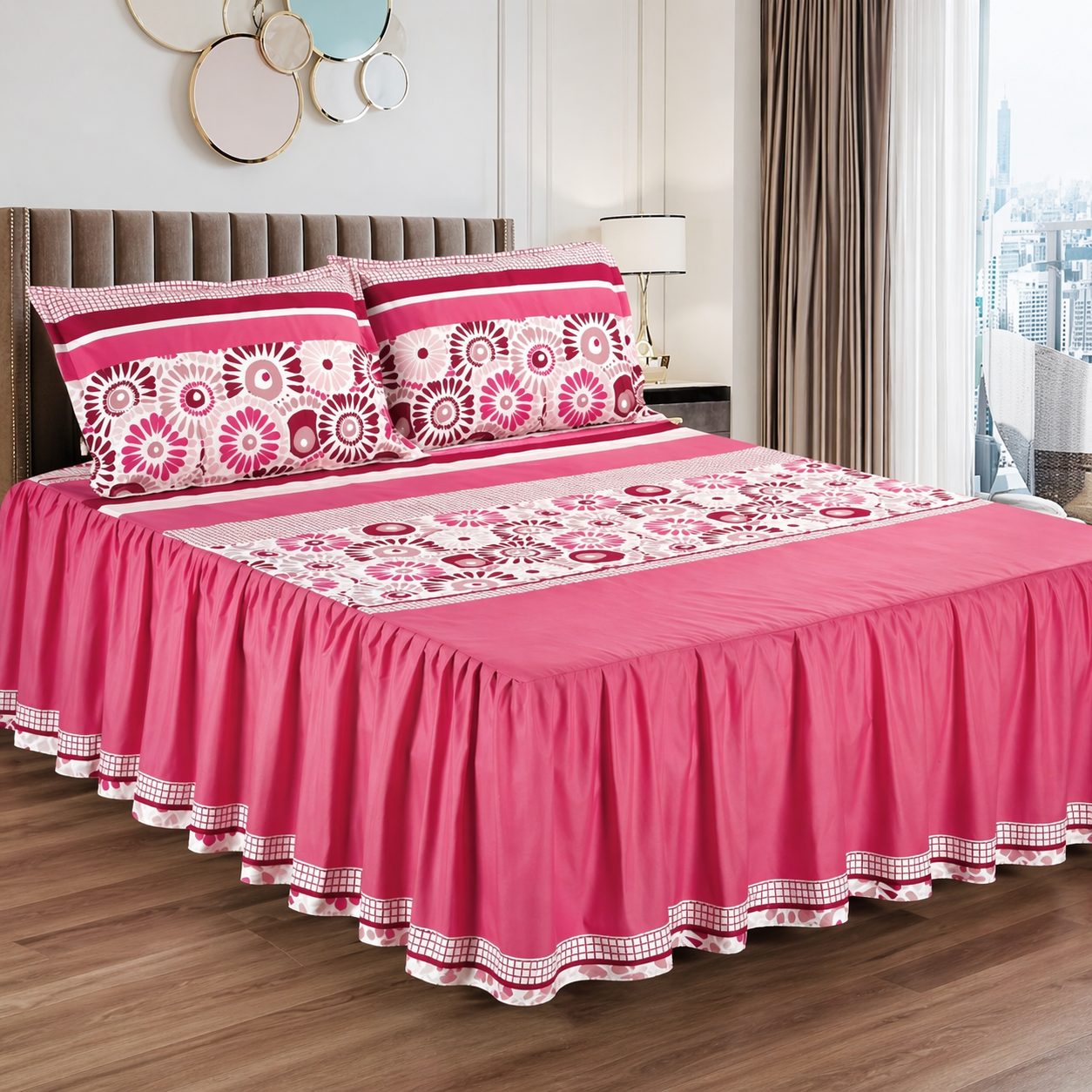
A cotton twill bed skirt combines durability, natural drape, and easy care, making it a smart choice for long-lasting bedroom décor. Unlike flimsy polyester ruffles, it keeps its shape and appearance even after repeated washes.
Beyond durability, a cotton twill bed skirt hides under-bed storage, protects items from dust, and gives the bed a clean, tailored finish. With the global bedroom linen market projected to grow from US$30.19 billion in 2025 to US$52.70 billion by 2035, quality and longevity are becoming top priorities for consumers.
What Makes a Bed Skirt Worth Investing In?
A bed skirt, also called a dust ruffle, serves three main purposes:
- Conceals under-bed storage: Hides bins, shoes, or clutter, giving the bedroom a tidy look.
- Protects from dust: Without a skirt, dust settles on items underneath; with one, it lands on fabric that can be easily vacuumed or washed.
- Enhances aesthetics: Softens hard bed lines and creates a cohesive, hotel-quality finish.
Not all bed skirts perform equally. Cheap options may wrinkle, shift, or tear after the first wash. A quality cotton twill bed skirt, by contrast, improves with use: natural fibers soften, the twill weave maintains shape, and heavier fabric ensures the skirt hangs straight rather than clinging awkwardly.
Twill Weave: Why Fabric Construction Matters
Twill weave features a diagonal rib pattern, created by passing weft threads over one or more warp threads and under two or more. This staggered structure is denser and more stable than plain weaves like percale or muslin.
The benefits of a bed skirt include:
- Durability: Twill resists wear from vacuuming, pets, and daily contact.
- Wrinkle resistance: While not completely crease-free, the diagonal pattern minimizes wrinkles and reduces ironing needs.
- Stain camouflage: The textured surface breaks up reflected light, making minor spills and dust less noticeable.
These qualities make cotton twill ideal for a bed skirt that looks polished, performs well over time, and stays cleaner longer.
Choosing the Right Material for Your Bed Skirt
The material of a bed skirt has a direct impact on how it looks, feels, and performs over time. While design and fit are important, fabric choice ultimately determines durability, comfort, and maintenance requirements.
Cotton twill is often preferred for its balance of structure and natural softness. It allows the bed skirt to drape neatly without appearing stiff, while also offering good breathability and long-term durability. Over repeated washing, it tends to soften rather than break down, which helps maintain a consistent appearance.
By comparison, polyester is valued for its low maintenance and wrinkle resistance, but it often lacks natural drape and can appear slightly synthetic in texture. Microfiber performs well in terms of durability and easy care, but it is less breathable and may feel less premium in long-term use. Linen offers excellent breathability and a relaxed aesthetic, but it wrinkles easily and typically requires more maintenance to keep a neat appearance.
In practical use, the choice usually comes down to a trade-off between appearance, comfort, and upkeep. Cotton twill sits in a balanced position, making it a widely used option for bedding that needs to look refined while remaining functional in everyday use.
Cotton vs. polyester vs. microfiber
The single biggest decision when choosing a bed skirt is the material. Here is how cotton twill stacks up against alternatives.
| Material | Durability | Wrinkle Resistance | Breathability | Aesthetic Quality | Care Requirements |
|---|---|---|---|---|---|
| Cotton twill | High (100+ washes) | Moderate-good | Excellent | Tailored, premium | Moderate (light ironing) |
| Polyester | Moderate (pilling) | Excellent | Poor | Shiny, artificial | Low |
| Microfiber | Very high | Excellent | Very poor | Soft but cheap-looking | Very low |
| Linen | High | Poor | Excellent | Relaxed elegance | High |
Microfiber is often marketed as easy-care. It is durable and wrinkle-resistant. But microfiber traps heat, does not breathe, and can feel clammy. For consumers prioritizing natural materials, microfiber is a compromise.
Polyester bed skirts resist wrinkles and are cheap. But they lack natural drape—sticking out stiffly or clinging limply. Over time, polyester pills and looks worn. A cotton twill bed skirt hits the sweet spot that synthetics miss: it breathes, drapes elegantly, feels comfortable, and looks premium. That is why hotels overwhelmingly choose cotton twill—the fabric projects quiet quality and withstands industrial laundering.
What Consumers Actually Say About Bed Skirt Performance
Customer feedback reveals where low-quality bed skirts often fall short. One frequent complaint is tearing during installation. The decking—the flat section under the mattress—is usually the first point of failure. Many budget skirts use lightweight fabric that cannot withstand mattress pressure, whereas a well-made cotton twill bed skirt employs durable fabric throughout, not just on the visible ruffle.
Another common frustration is misleading wrinkle-resistance claims. While no 100% cotton skirt is completely wrinkle-free, the diagonal weave of twill minimizes creasing. A cotton twill bed skirt may need light ironing after washing, but it retains a neat, pressed appearance far better than cheaper alternatives.
On the positive side, buyers often praise the heft and quality of well-constructed cotton twill skirts. The heavier fabric ensures straight, elegant drape and a longer lifespan, while robust stitching prevents loose threads and premature wear. These qualities deliver both visual appeal and lasting performance that synthetics cannot match.
Hidden Value: Under-Bed Storage and Dust Protection
A practical benefit often overlooked is dust protection for under-bed storage. Floor-length skirts act as a barrier, keeping clothing, bedding, and other stored items free from dust. Because the skirt is washable, it is easy to maintain cleanliness, making it ideal for apartments or smaller homes where under-bed space is frequently used.
According to Cotton Incorporated’s 2025 Dorm Décor Survey, nearly 700 respondents prioritized quality, durability, softness, and ease of cleaning when choosing bedding. A cotton twill bed skirt meets all these expectations, offering long-term value rather than a short-lived, inexpensive option.
How to choose a quality cotton twill bed skirt
Not all cotton twill bed skirts are created equal. Here are the key specifications to evaluate.
Fabric weight. Heavier is better. Look for 200–300 g/m². Lighter fabrics (under 150 g/m²) shift, wrinkle excessively, and wear out faster. A weight of around 270–285 g/m² balances structure and drape.
Weave density. A true twill weave has a distinct diagonal pattern. Low-quality “twill-like” fabrics cut corners on yarn density. Ask about thread count—200–400 is reliable for bedding.
Construction quality. Inspect the seam where the decking meets the ruffle. Double-stitched or reinforced seams indicate longevity. Single-stitched seams with loose threads are a red flag.
Drop length. Measure from the top of the box spring to the floor. Standard drops: 14″, 15″, 21″. Custom lengths available from manufacturers like Nantong Qianting Textile Co., Ltd.
Corners. Split-corner construction is essential for four-poster beds. Wrap-around elastic designs stay in place without shifting, ideal for adjustable beds.
Certifications. OEKO-TEX STANDARD 100 ensures safety for skin contact. For eco-conscious markets, GOTS certification adds credibility.
Decking material. Many budget skirts use non-woven decking that tears easily. A quality cotton twill bed skirt uses woven fabric for both decking and ruffle, ensuring even wear.
Styling and design considerations
Bed skirts are also a design element. The 2026 bedroom trends, identified by over 100 designers surveyed by Country Living, point to a resurgence of ruffle and shirring details. The cottagecore and “granny chic” aesthetic favors warmer, layered interiors where textured fabrics like cotton twill feel current.
Cotton twill accommodates both tailored and pleated styles. For a modern bedroom, a tailored cotton twill bed skirt with clean lines creates a sleek look. For a traditional space, pleated or ruffled skirts add softness without sacrificing durability. The fabric takes dye exceptionally well, so cotton twill bed skirts are available in a wide spectrum of colors—crisp white, ivory, deep navy, charcoal, and burgundy.
Care and maintenance for long life
Proper care extends the life of any cotton twill bed skirt.
Washing. Machine wash cold or warm (max 40°C) with mild liquid detergent. Avoid bleach. Wash separately or with similar colors.
Drying. Tumble dry on low heat. Remove promptly to minimize wrinkles. Line drying is gentler but may produce stiffness; a quick, low-heat tumble after line drying softens the twill.
Ironing. For a crisp look, iron while slightly damp at medium-high heat. If you prefer a relaxed appearance, skip ironing—twill‘s diagonal weave makes minor wrinkles far less noticeable than on plain weaves.
Frequency. Launder every two to three months, unless visibly dirty or exposed to pet hair and spills.
A well-cared-for cotton twill bed skirt can easily last five to ten years. That longevity makes the per-use cost negligible compared to replacing a cheap synthetic skirt every year or two.
FAQ
- Does a cotton twill bed skirt wrinkle badly?
Cotton naturally wrinkles, but twill’s diagonal weave resists creasing better than percale. Light ironing or a short,t low-heat tumble easily restores a smooth look. - Can a cotton twill bed skirt be machine-washed and dried?
Yes. Use a gentle cycle with cold or warm water, and tumble dry on low. Avoid bleach and high heat to preserve fabric quality. - Is cotton twill better than microfiber for a bed skirt?
For breathability, natural feel, and a premium appearance, cotton twill outperforms microfiber. Microfiber is easier to care for but can trap heat and appear less refined. - What drop length should I choose?
Measure from the top of the box spring to the floor. Standard drops are 14″ (most common), 15″, or 21″. For taller storage bins, add 1–2 inches to ensure full coverage. - How can I prevent the bed skirt from shifting?
Wrap-around elastic designs stay in place best. For standard skirts, ensure the mattress fits snugly, and consider split corners for four-poster beds.
Conclusion: A Smart Investment
A cotton twill bed skirt may cost more upfront, but it delivers long-term value. It combines natural breathability, a tailored drape, and durable construction that withstands repeated laundering. It also protects under-bed storage from dust, keeping the bedroom cleaner and more organized. As consumers increasingly prioritize quality and longevity over short-term savings, cotton twill bed skirts meet both practical and aesthetic needs.
With proper care, a well-made cotton twill bed skirt can last five to ten years, making the per-use cost negligible compared to cheaper synthetic alternatives. For those seeking a lasting, premium bedding solution, it is a small investment that pays off every day.