
Introduction
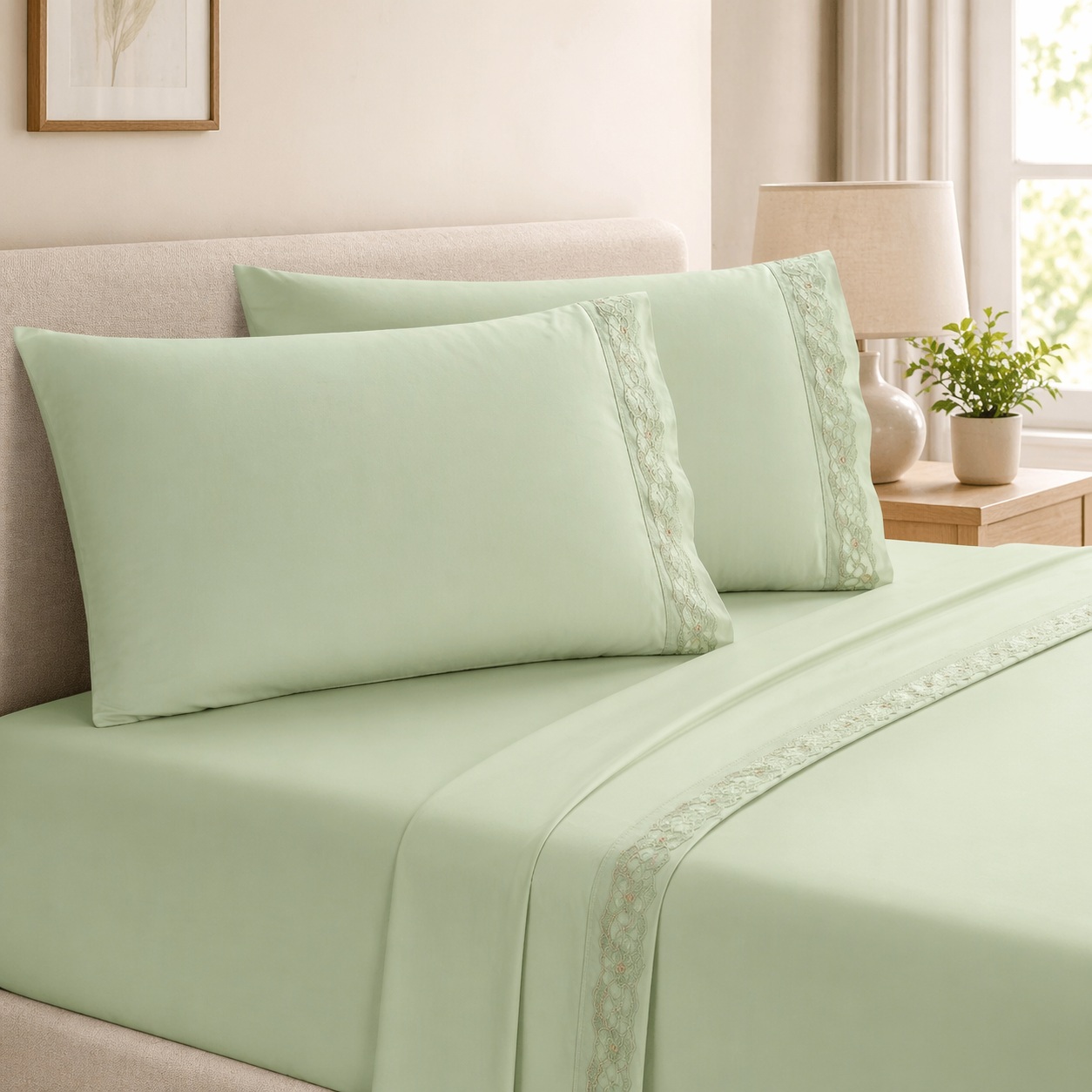
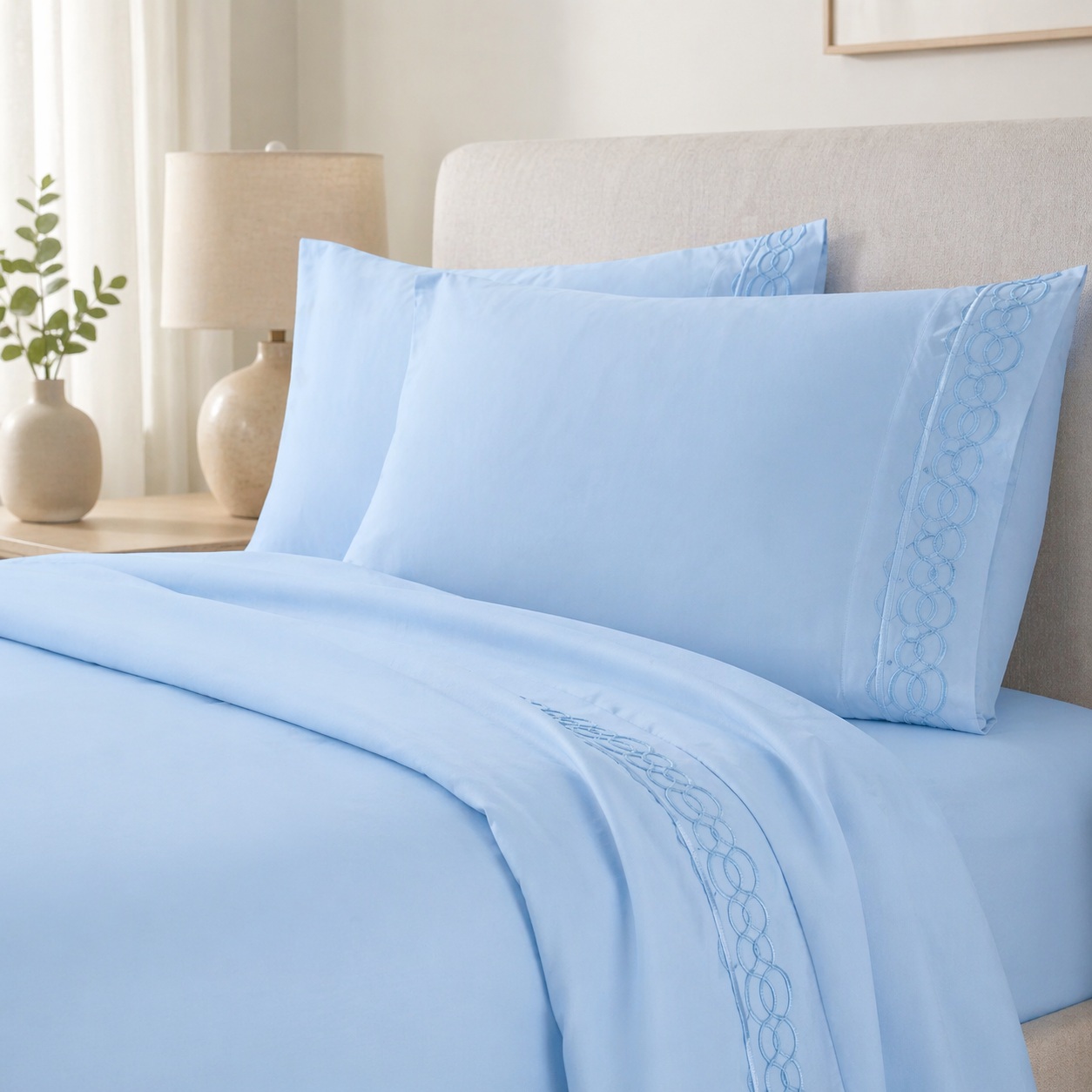
Embroidered bedding is often more comfortable because it combines high-quality base fabrics with raised, dimensional stitching—something standard printed bedding simply cannot replicate.
After reviewing a wide range of bedding sets across different price levels and material types, the difference becomes clear. Standard bedding is typically designed with cost efficiency and mass production in mind. Embroidered bedding, on the other hand, focuses more on texture, durability, and long-term sleep comfort.
This difference is not only visual but also something you can feel over time. It shows up in the fabric’s texture, how well it holds up after repeated washing, and the overall sleeping experience.
As more consumers begin to prioritize both comfort and aesthetic value in their home textiles, embroidered bedding is steadily becoming a preferred option in the premium bedding category.
The Growing Demand for Premium Bedding
The numbers tell a compelling story. The global bedding market was valued at USD 89.55 billion in 2024 and is projected to reach USD 132.61 billion by 2032, growing at a compound annual growth rate of 5.03%, driven by rising disposable incomes, urbanization, and an increasing consumer focus on sleep health and wellness. Embedded within this growth is a notable shift toward premium segments. The bedspread market alone—which includes embroidered products as a key category—is expected to grow from USD 4.48 billion in 2025 to USD 6.8 billion by 2035. Consumers are no longer asking “what is the cheapest option?” They are asking, “What will last longest, feel best, and add real value to my daily life?”
For embroidered bedding, these figures represent more than just market expansion—they signal a fundamental change in how people evaluate comfort. The standard bedding set, typically mass-produced with printed patterns on basic polycotton blends, can no longer compete with the layered comfort that embroidery provides.
Understanding Embroidery: More Than Decoration
At its core, embroidery is the art of decorating fabric using needle and thread. Unlike printed patterns that sit flat on the surface, embroidered designs are physically stitched into the fabric, creating a three-dimensional texture that cannot fade, peel, or wear away.
This may sound purely aesthetic, but the comfort implications are profound.
When you sleep on a printed sheet, you are lying on a flat surface where every thread lies in the same plane. The design offers no tactile dimension. When you sleep on embroidered bedding, the raised patterns create subtle, consistent variations in surface texture—variations that many sleepers describe as calming and grounding, similar to the gentle sensory input of a weighted blanket.
Additionally, because embroidery must be stitched onto a base fabric of sufficient quality to hold the thread tension, brands that produce genuine embroidered bedding tend to use better base materials than those producing budget printed alternatives. In short: better fabric plus durable dimensional stitching equals superior comfort.
The Role of Base Fabric: Why What Lies Beneath Matters
Polycotton Blends: The Best of Both Worlds
One of the most common misconceptions about embroidered bedding is that comfort comes solely from the embroidery itself. In reality, the base fabric is equally important. Polycotton blends—typically a 50/50 or 60/40 mix of cotton and polyester—offer an exceptional foundation for embroidery.
Why? Cotton delivers breathability and a soft, natural feel against the skin. Cotton is known for its breathability and moisture-wicking properties, ensuring a comfortable night’s sleep by regulating body temperature. Polyester adds durability, wrinkle resistance, and dimensional stability—critical qualities for fabric that will hold dense embroidery patterns over years of use. When blended with polyester, the fabric becomes softer and less prone to wrinkling, which means you can enjoy a crisp and neat bed without extensive ironing.
This combination creates a base material that is:
-
Soft and comfortable for daily use
-
Breathable enough for year-round temperature regulation
-
Durable enough to support dense embroidery without tearing or distorting
-
Wrinkle-resistant, reducing post-wash maintenance
For consumers who run hot during sleep, cotton content ensures adequate airflow. According to fiber performance research, Tencel fabric exhibits the lowest thermal resistance of 0.0037 m² °C/W, while polyester fabric shows significantly higher thermal resistance at 0.0084 m² °C/W. Polycotton blends strike an optimal balance between these extremes, providing warmth retention in cooler months without causing overheating during warmer seasons.
Twill Weave vs. Standard Weaves
Not every embroidered bedding set uses the same weave construction. Standard bedding often uses a basic plain weave—the simplest, most economical weaving method. Twill weave, by contrast, creates a distinctive diagonal ribbed pattern that offers superior durability and wrinkle resistance while maintaining breathability.
For bedding, one of the biggest advantages of twill weave is its durability. Twill fabric is super tough and can withstand a lot of wear and tear. If you are someone who tosses and turns in bed or has children or pets that might rough up the bedding, twill is an excellent option.
The twill weave technique enhances durability while offering easy maintenance. Twill adds subtle texture and durability, with vivid colors that remain bright after washing. The diagonal construction also naturally resists wrinkling, keeping embroidered bedding looking fresh and polished even without ironing.
Long-Staple Fibers for Enhanced Feel
Premium embroidered bedding frequently uses long-staple cotton fibers. Long-staple fibers reduce pilling and maintain softness over time. Longer fibers produce smoother yarns with fewer protruding ends, which translates directly to a softer, more consistent fabric feel. Reinforced twill weave resists abrasion and daily wear, making long-staple polycotton an ideal base for embroidered designs that must endure nightly use and frequent washing.
How Embroidery Directly Enhances Sleep Comfort
1. Reduced Friction and Gentler Skin Contact
Standard printed bedding often relies on chemical dyes and fixatives that can feel coarse against sensitive skin, especially after repeated washing. These treatments also reduce the fabric‘s natural softness. Embroidered designs, by contrast, are created using threads that are typically smoother and softer than printed inks. High-quality embroidery uses soft threads that lie flat, with the cotton base ensuring smoothness, making them comfortable for daily use.
For individuals with sensitive skin or conditions such as eczema, the combination of a breathable base fabric and smooth embroidery threads minimizes irritation risk. When selecting embroidered bedding for sensitive skin, the focus should be on quality: finer threads, flatter stitches, and a high-quality base fabric.
2. Improved Air Circulation and Moisture Management
Printed bedding applies ink directly onto the fabric surface. This creates a thin, continuous layer that can slightly reduce air permeability—particularly in darker, heavily inked designs. The printed area may trap heat and limit airflow.
Embroidery, by contrast, consists of individual stitched threads that create micro-perforations in the fabric. These tiny gaps do not compromise the structural integrity of the bedding, but they do allow enhanced airflow compared to solid printed surfaces. For hot sleepers or individuals living in humid climates, this extra breathability makes a noticeable difference in overnight comfort.
Cotton, whether pure or blended, is known for its excellent moisture absorption. It can quickly absorb sweat discharged from the human body and promote evaporation, keeping the sleeper dry and comfortable. The raised texture of embroidery also introduces additional surface area, which can assist with moisture dispersion before it accumulates against the skin.
3. Psychological Comfort Through Texture
The human body is wired to respond to tactile input. Smooth, uniform surfaces provide less neurological stimulation than textured ones. The dimensional quality of embroidered bedding introduces gentle variations in pressure and sensation across the sleeping surface—variations that many sleepers find deeply calming.
This is not merely subjective. The subtle sensory feedback provided by embroidered patterns can reduce the need for repositioning during sleep, as the brain receives consistent, gentle tactile cues. For restless sleepers or those who struggle with insomnia, the added texture may contribute to a more settled, uninterrupted night.
Embroidered vs. Standard Bedding: A Side-by-Side Comparison
The differences between embroidered bedding and standard printed bedding extend far beyond appearance. The following table summarizes how they compare across key comfort and durability dimensions.
| Feature | Embroidered Bedding | Standard Printed Bedding |
|---|---|---|
| Fabric base quality | Typically high-grade polycotton or pure cotton; often twill weave | Often basic polycotton with lower cotton content; plain weave is common |
| Design longevity | Stitched patterns last for years; they resist hundreds of washes without fading. | Prints fade over time; heavy washing accelerates design loss |
| Texture profile | Dimensional, raised texture; subtle tactile variation | Flat, uniform surface; no dimensional variation |
| Breathability | Micro-perforations from stitching improve airflow | Heavily printed areas may trap heat and reduce permeability |
| Skin sensitivity | Soft thread surface minimizes irritation when properly made | Chemical inks and fixatives can feel coarse against sensitive skin |
| Maintenance | Machine washable; wrinkle-resistant fabrics reduce ironing needs | Prints may be more prone to fading in the wash; lower durability |
| Price point | Higher upfront investment | More budget-friendly initially |
| Long-term value | Cost per use declines over the years of durability | Replacement cycles more frequent due to wear and fading |
Source data: Physical properties analysis demonstrating cotton’s moisture absorption advantage over synthetic alternatives; durability test data showing high-quality embroidery withstands 200+ washes without design loss; thermal resistance differentiation highlighting fabric breathability impacts on sleep comfort.
This table makes the value proposition clear: embroidered bedding commands a higher initial price precisely because it delivers more—better base materials, lasting designs, enhanced breathability, and extended lifespan. Standard bedding may cost less at checkout, but over five years of use, the per-night cost of embroidered bedding often proves more economical, once replacement costs for faded or worn standard bedding are factored in.
Who Benefits Most from Embroidered Bedding?
Daily Home Use
For households where bedding sees daily use—family homes, shared apartments, or anyone who values a well-made bed— embroidered bedding offers the durability needed to withstand frequent laundering. Unlike standard printed bedding, which begins to show wear and color loss within months, high-quality embroidered sets retain their appearance and structural integrity for years.
A well-constructed embroidered bed sheet can withstand numerous washings while maintaining its shape and texture. This durability translates directly to cost savings over time: fewer replacements, less fabric waste, and consistent comfort night after night.
Hot Sleepers and Year-Round Comfort Seekers
Individuals who overheat during sleep know that fabric choice is critical. Cotton’s breathability keeps you cool, while the addition of polyester in high-quality blends adds durability and shape retention without sacrificing airflow. Printed bedding can trap heat—especially in darker or heavily printed designs—but embroidery does not suffer from this limitation.
For those concerned with temperature regulation, the twill weave construction commonly used in premium embroidered bedding provides an additional layer of comfort. Defined by its elegant diagonal weave, cotton twill balances durability with a supple, breathable feel. The finely woven fibers lend natural wrinkle resistance while staying soft and effortlessly comfortable.
Hospitality and Rental Properties
Hotels, vacation rentals, and boutique lodging operators consistently choose embroidered bedding not only for its aesthetic appeal but also for its functional advantages. The hospitality industry demands bedding that can withstand commercial laundering cycles while maintaining a like-new appearance. Standard printed bedding fades quickly under these conditions. Embroidered patterns do not.
Beyond durability, the psychological comfort provided by high-quality textured bedding translates directly to guest satisfaction. A room with premium embroidered bedding feels more carefully curated than one with off-the-shelf printed linens—a detail that guests notice, even if they do not actively articulate it.
Design-Conscious Bedrooms
For anyone who views the bedroom as a personal sanctuary rather than merely a place to sleep, embroidered bedding offers a level of design sophistication that printed bedding cannot replicate. Unlike printed patterns, embroidery adds a three-dimensional texture to duvet covers and pillowcases, creating subtle shadows and highlights that enhance the overall bedroom aesthetic.
The interplay between dimensional embroidery and quality-based fabric creates a lounging experience that feels more luxurious by every measure. And because embroidery does not fade like printed designs, the visual appeal lasts as long as the bedding itself.
Addressing Common Concerns About Embroidered Bedding
A frequent hesitation among potential buyers is the concern that embroidery might feel rough or irritating against the skin. This concern is understandable—cheap, poorly made embroidery with coarse threads and high-density stitching can indeed cause discomfort. However, quality embroidered bedding uses fine, soft threads that lie flat against the base fabric, creating a smooth surface that is comfortable even for extended contact. The cotton base ensures natural smoothness, making embroidered bedding suitable for daily use without irritation.
Another consideration is that the additional stitching might make the fabric less breathable. In reality, the opposite is true. Because embroidery introduces micro-perforations into the fabric, air circulation is often improved compared to densely printed surfaces, particularly in designs that use moderate stitch density. The base fabric’s natural breathability determines overall performance, and quality polycotton blends support effective temperature regulation.
Consumers also wonder whether embroidered bedding is more difficult to care for. This is not the case. Most high-quality embroidered bedding is fully machine washable, with durable synthetic embroidery threads that resist fraying and maintain vibrant coloring through hundreds of wash cycles. Wrinkle-resistant fabrics such as twill weave further reduce maintenance demands.
A persistent myth holds that a higher thread count always means better bedding. In fact, thread count alone is not an indicator of quality. Seven out of eight sheets have exaggerated thread counts, often inflated by three to five times the true number. A high-quality embroidered bedding set with a moderate thread count and excellent fiber content will consistently outperform a high thread count set made from inferior materials. What matters more is the fiber, weave, and craftsmanship. A 400 thread count sheet made of high-quality fibers can feel softer and last longer than higher thread count sheets made with lower quality fibers.
Finally, buyers sometimes question whether the higher price of embroidered bedding yields genuine value. The data support an affirmative answer. A well-made embroidered bedding set can last for years, often outliving multiple printed sets purchased at lower price points. The combination of superior base fabric, dimensional texture, and fade-resistant design produces a superior experience per use and greater cost efficiency over time.
Key Applications and Use Cases
Embroidered bedding is versatile enough to serve a wide range of needs, from casual home use to professional hospitality applications.
-
Master Bedroom: The primary sleeping space deserves the highest quality materials. Embroidered cotton bedsheets stand out for their unique combination of elegance, comfort, and durability.
-
Guest Rooms: Premium bedding communicates care and attention to detail. Embroidered bedding creates a memorable experience for overnight guests.
-
Vacation Rentals and Boutique Hotels: Commercial laundering demands exceptional durability. Embroidered patterns withstand wash cycles without fading or deterioration.
-
Children‘s Bedrooms: Soft base fabrics paired with creative embroidered designs introduce texture without compromising safety or comfort.
For all these scenarios, the consistent feedback remains the same: once users upgrade to embroidered bedding, they rarely return to standard printed alternatives.
How to Choose Quality Embroidered Bedding
Not all embroidered bedding is created equal. To ensure you receive the comfort and durability benefits described, evaluate the following factors before purchasing:
-
Base Fabric Composition – Look for polycotton blends with a high percentage of cotton (50% or more). Hundred percent cotton offers maximum breathability, while proper polycotton blends add wrinkle resistance and durability.
-
Weave Construction – Twill weave offers superior durability and wrinkle resistance compared to plain weave. The diagonal pattern also contributes to a more luxurious hand feel.
-
Stitch Quality – Examine embroidery from both sides of the fabric. High-quality embroidery will show clean, consistent stitches without loose threads or irregular tension.
-
Thread Fineness – Finer embroidery threads produce smoother surface texture. Coarse threads may feel abrasive and shorten the product‘s usable life.
-
Colorfastness – Reputable manufacturers use dyes and threads that resist fading across repeated wash cycles. Dark or vivid designs should retain intensity after laundering.
When ordering wholesale or custom embroidered bedding from manufacturers, request samples to evaluate both base fabric feel and embroidery quality firsthand. Standard sets can be purchased as complete 4‑piece, 5‑piece, 6‑piece, or 8‑piece configurations covering fitted sheets, flat sheets, pillowcases, duvets, cushions, and curtains.
Why the Premium Investment Justifies Itself
Standard bedding sets exist to meet a price point. Embroidered bedding exists to meet a standard of living. The differences in comfort, durability, and aesthetic longevity are not marginal—they are fundamental.
When you choose embroidered bedding, you are choosing:
-
A base fabric engineered for breathability and year-round comfort
-
Dimensional texture that enhances tactile experience without irritation
-
Pattern longevity that resists fading, peeling, or wearing away
-
A product designed to continue performing across years of regular use
For consumers who have grown tired of replacing faded, worn, or pilling bedding every 12 to 18 months, the upgrade to embroidered bedding represents not an expense but an investment—one that pays dividends in better sleep quality, lower replacement costs, and a bedroom environment that feels genuinely luxurious.
FAQ
Q1: Is embroidered bedding comfortable against the skin?
Yes. High-quality embroidered bedding uses fine, soft threads that lie flat against a breathable cotton or polycotton base. Unlike cheap embroidery with coarse stitching, premium embroidery maintains smoothness and comfort during extended contact.
Q2: Does embroidered bedding make you feel hotter while sleeping?
No. The micro-perforations created by embroidered stitching often improve airflow compared to solid printed surfaces. Combined with breathable base fabrics like cotton or balanced polycotton blends, embroidered bedding actually supports better temperature regulation.
Q3: Can embroidered bedding be machine-washed?
Yes. Most high-quality embroidered bedding is fully machine washable. Use cold water and a gentle cycle. Durable synthetic embroidery threads resist fraying and maintain color through hundreds of wash cycles when properly cared for.
Q4: Is embroidered bedding worth the higher price?
For durability, comfort, and longevity—absolutely. A well-made embroidered set lasts years longer than standard printed bedding, often outliving multiple cheaper sets. The higher upfront cost produces a lower cost per use over time.
Q5: Will embroidery irritate sensitive skin?
Quality embroidered bedding will not irritate sensitive skin. Ensure the embroidery uses fine, smooth threads and the base fabric is breathable cotton or polycotton. Avoid cheap, dense embroidery with coarse threads, as those may irritate.
Conclusion: Your Bedroom Deserves Better Than Standard
The choice between embroidered bedding and standard printed sets is not a choice between luxury and economy—it is a choice between durability and disposability, between dimensional texture and flat uniformity, and between long-term value and short-term savings.
Market growth confirms what consumers already sense: quality matters. As the global bedding market continues its steady expansion toward USD 249.62 billion by 2035, the segment demanding higher quality, embroidered products is growing fastest. People are spending more time at home and demanding more from the products they use every single night.
Embroidered bedding delivers on every front. It looks better, feels better, lasts longer, and—most importantly—contributes to the restful, restorative sleep that is the foundation of daily life.
Ready to experience the difference? Explore our premium collection of embroidered bedding sets crafted from high-quality polycotton twill. Whether you need a complete 8‑piece set for a master suite or custom sizing for a hospitality project, our factory-direct pricing delivers exceptional value without compromising on comfort. Contact our team today for samples and wholesale inquiries.